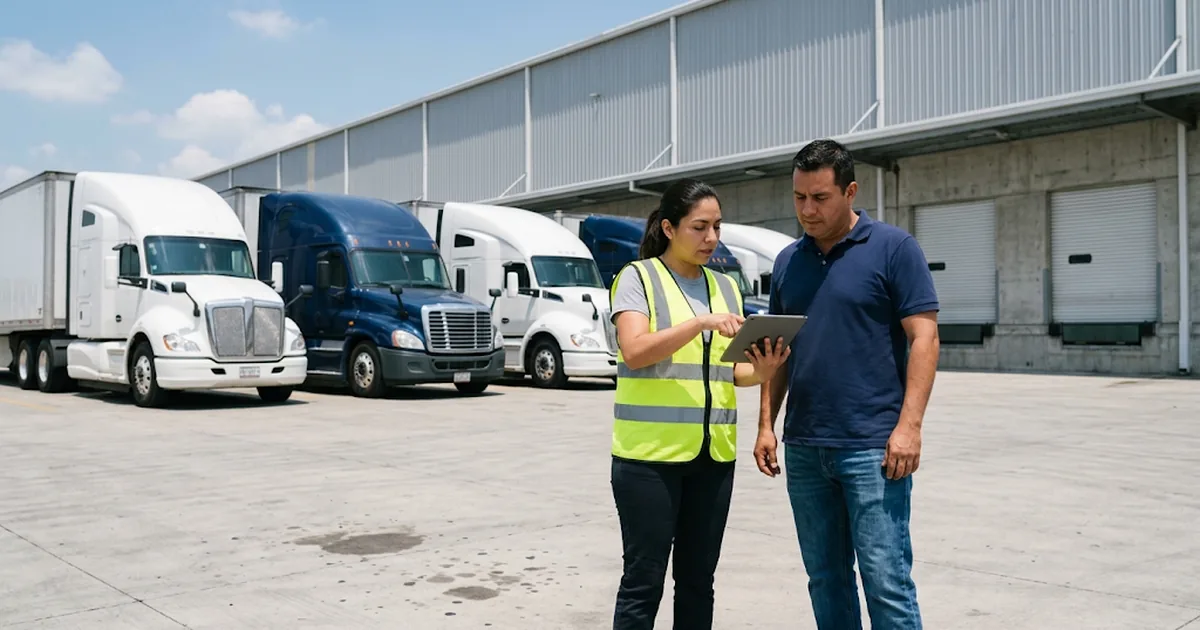
The fleet manager is the central figure in a company’s vehicle operations. Their role combines logistics, technical, administrative, and analytical skills to ensure that each vehicle operates at peak performance and at the lowest possible cost.
In a context where operational efficiency defines competitiveness, the fleet manager’s work goes beyond simply being operational to become a strategic role.
Professional profile of a fleet manager
A good fleet manager combines:
Technical vehicle knowledge (maintenance, unit types, performance).
Analytical capability (KPI interpretation, dashboard use).
Planning and logistics skills (routes, unit availability).
Proficiency in digital management platforms.
Leadership and effective communication with drivers, vendors, and internal departments.
Key functions of a fleet manager
1) Vehicle planning and assignment
Defines which vehicles are assigned to each area or driver based on operational criteria, activity type, and availability. Optimizes the relationship between demand and fleet capacity.
2) Maintenance oversight
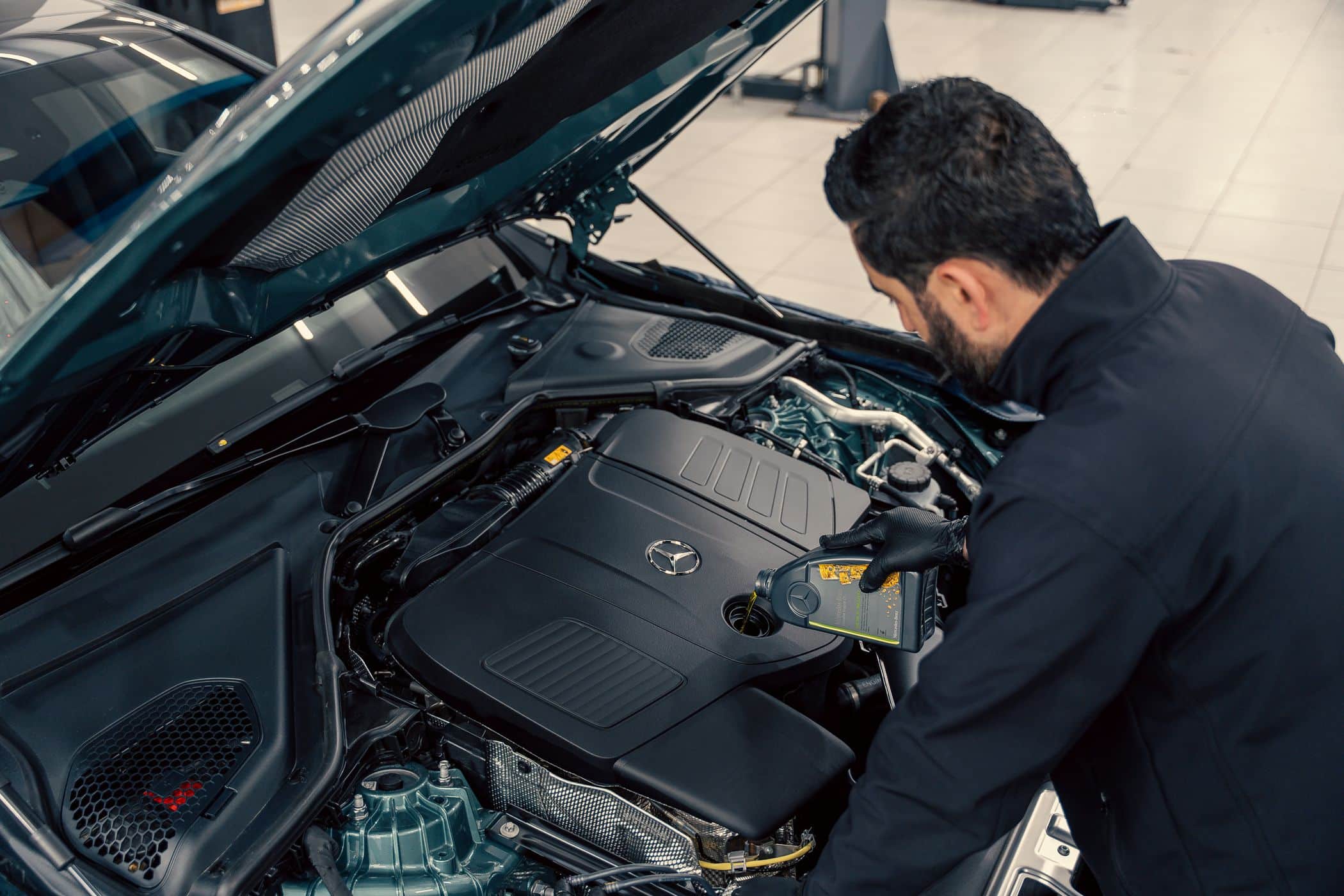
Coordinates both preventive and corrective maintenance. Controls deadlines, manages work orders, evaluates vendors, and ensures each unit is in safe operating condition.
3) Fuel control
Monitors consumption per vehicle, identifies deviations, analyzes trends, and implements efficient refueling policies. One of the most sensitive indicators in fleet budgets.
4) Document and regulatory management
Ensures the entire fleet complies with insurance, licenses, technical inspections, permits, and local or industry regulations. Non-compliance is not an option.
5) Road safety and risk prevention
Implements safe driving policies, analyzes accidents, monitors driver behavior, and takes measures to reduce road risks.
6) Driver management
Tracks driver performance based on objective data. Promotes training, feedback, and incentive programs.
7) Technology use
Manages fleet management platforms, GPS systems, ERPs, or other systems linked to vehicle operations. This includes alert configuration, system integration, database maintenance, and internal user support.
8) Vendor and contract management
Negotiates with workshops, leasing companies, insurers, and technology providers. Evaluates service levels, manages renewals, and coordinates new acquisitions according to company guidelines.
9) Fleet renewal strategy
Determines the best time to renew units based on metrics such as mileage, age, consumption, or failure frequency. This directly impacts the area’s efficiency and financial projections.
10) Budget control and reporting
Prepares monthly reports, controls operational expenses, and identifies savings opportunities. Contributes to dialogue with management, finance, and the board.
Key indicators a fleet manager should track
Cost per kilometer driven.
Average fuel consumption per vehicle.
Fleet availability (% of active units).
Maintenance frequency and cost.
Accidents and violations per driver.
Document compliance.
Response time to incidents.
Essential tools for the fleet manager
Without technology, fleet management depends on memory and spreadsheets. An efficient fleet manager uses:
Comprehensive management platforms like VEC Fleet.
Dashboards with real-time metrics.
Automatic alerts for maintenance, documentation, or behavior.
Exportable reports for decision-making.
Common challenges for the fleet manager
Lack of reliable, centralized data.
Resistance to change within the organization.
Limited budget with growing demands.
Coordination with multiple internal areas and vendors.
Maintaining regulatory compliance in dynamic regulatory environments.
Real impact of an efficient fleet manager
A fleet manager with the right tools and strategic vision can directly impact:
Reduction of operational costs.
Decrease in accidents.
Continuous improvement of operational KPIs.
Satisfaction of internal and external users.
Level of technology implementation.
Level of regulatory compliance without incidents.
When a fleet manager understands their impact on company results, their role transcends daily operations. With a strategic vision, precise data, and the right tools, this role becomes a pillar for achieving efficiency, safety, and sustainable growth in fleet management.
Frequently asked questions about fleet managers
1) What does a fleet manager do in a company?
They are responsible for ensuring the fleet is available, compliant with regulations, and operating at the lowest possible cost, coordinating people, processes, vendors, and technology.
2) What are the most important functions of a fleet manager?
Vehicle planning and assignment, maintenance, documentation, fuel control, road safety, driver management, and technology use.
3) What tools does a fleet manager use?
Fleet management platforms like VEC Fleet, dashboards with KPIs, automatic alerts, and real-time tracking systems.
4) How does a fleet manager reduce costs?
Through preventive maintenance, fuel control, route optimization, vendor negotiation, and data-driven strategic decisions.
5) What is the difference between a fleet manager and a logistics manager?
The fleet manager focuses on vehicle management and operations. The logistics manager focuses on the distribution chain. In many companies, both roles complement each other.