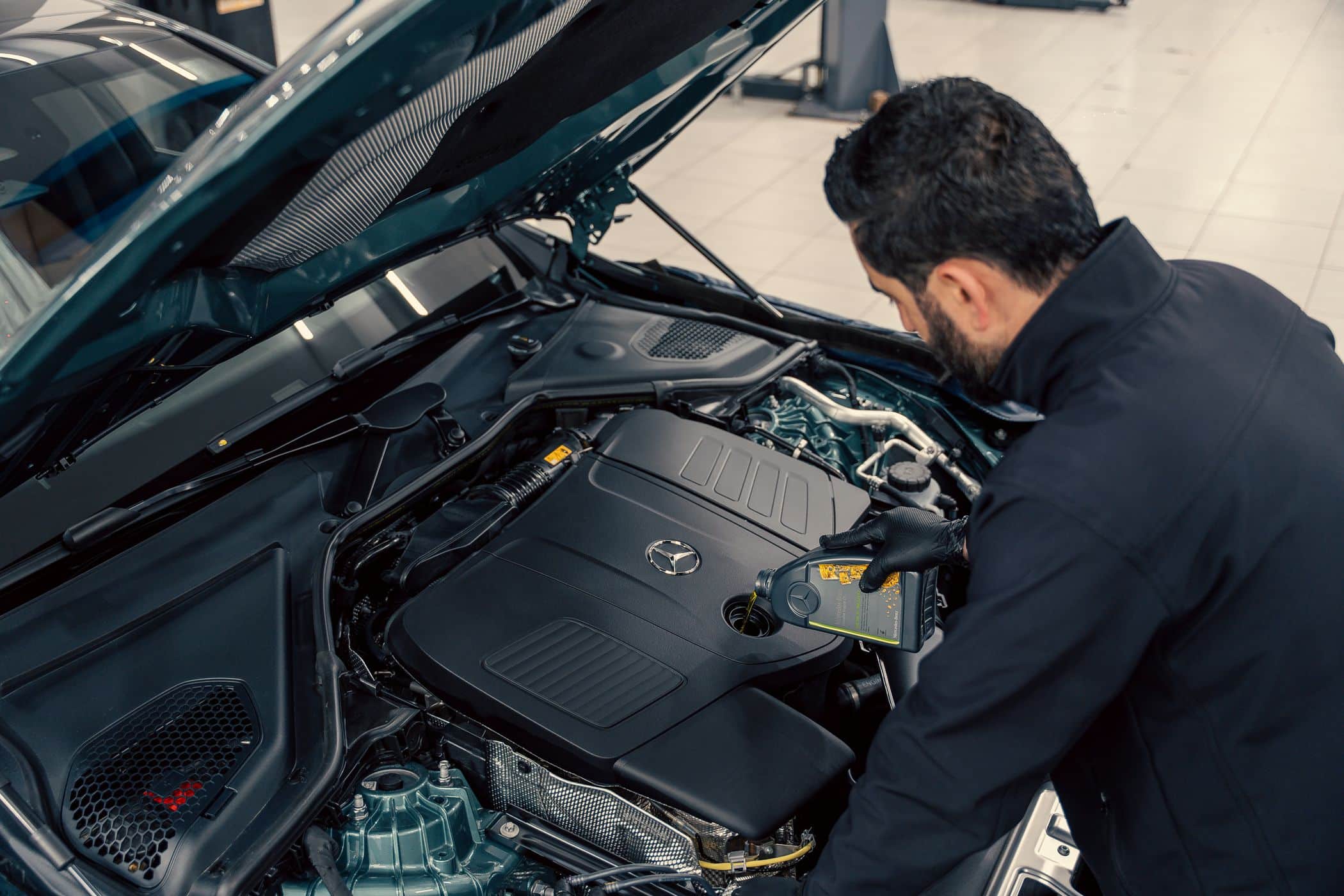
In fleet management, a service is the definition of the work that must be performed on a vehicle or person within the operation. It can correspond to preventive maintenance, corrective maintenance, expirations, or administrative tasks, and includes the name of the work, its type, associated tasks, and management rules. Its function is to standardize processes, facilitate automation, and provide traceability to each intervention.
What is a service in fleet management?
A service is the unit that defines what work must be executed within a fleet operation. In practical terms, it represents the work to be performed on a vehicle, a driver, or an entity in the operation, with a specific management logic.
In fleet management, talking about a service is not the same as talking about a ticket. The service describes the work; the ticket is the order that allows you to manage it, track it, and close it. This difference is key to keeping the operation organized, especially when the fleet grows in the number of vehicles, bases, or types of intervention.
Some examples of services include preventive maintenance by kilometers, corrective service for breakdown, insurance policy renewal, or driver’s license check. Each one has its own configuration, rules, and level of automation.
What is a service for?
A service is for organizing and standardizing work within the fleet. It allows you to clearly define what is done, when it is done, and under what rules it is managed. This improves planning, reduces operational errors, and facilitates control.
When services are well defined, it is easier to automate alerts, trigger tickets, assign tasks, measure response times, and analyze costs by type of work. It is also easier to compare vehicles, workshops, bases, or regions using consistent criteria.
In a mature operation, the service acts as the layer that connects the business need with daily execution. This is why it is a central piece in preventive maintenance, corrective maintenance, expirations, and other operational processes.
What information does a service usually include?
A service usually includes the name of the work, the type of ticket it corresponds to, the associated tasks, and management rules such as whether it is active, whether it requires attachments, or whether it has approval amounts. In some environments it can also be linked to maintenance plans, automatic controls, and specific workflows.
This structure allows each service to have its own logic. For example, a preventive service can be part of a maintenance plan and be triggered by kilometers, days, or hours. Instead, an expiration service can be linked to an issue date and expiration date, with prior alerts and automatic ticket issuance.
The better this configuration is defined, the easier it is to automate the operation without losing control.
What is the difference between service, task, and ticket?
Service, task, and ticket serve different functions within fleet management. The service defines the main work. The task represents specific actions that make up that work. The ticket is the work order with which that service enters execution and is managed until closure.
For example, a service can be ‘Pickup Maintenance 10,000 km’. Within that service there can be tasks such as oil change, brake inspection, and general inspection. When the time comes to execute that work, a ticket associated with that service is generated or worked on.
Understanding this difference helps avoid one of the most common mistakes in operation: confusing structural configurations with work in progress. The service defines; the ticket executes.
Service use cases
How VEC Fleet can help
VEC Fleet helps manage services in a structured way within a 360° and intuitive platform. In its maintenance module, services can be created, edited, and associated with different types of tickets, including corrective, preventive, expiration, and administrative. They can also be linked with tasks, approval amounts, and operation logic to adapt management to each fleet.
Additionally, in VEC Fleet services are part of maintenance plans, can be used to trigger controls and tickets, and allow you to analyze times, costs, and performance by type of work within operational and analytical dashboards.
This allows you to automate processes, reduce operational disorder, and manage the fleet with greater traceability, control, and efficiency, in line with the proposal of a single interface to centralize maintenance, fuel, and documentation.
¿Querés ver cómo funciona en tu flota?
Completá el formulario y un especialista te contacta para mostrarte la plataforma sin compromiso.
FAQs
What is a vehicle maintenance service?
It is the definition of the work that must be performed on a vehicle, such as an inspection, repair, or scheduled maintenance. It serves to organize execution and standardize the operation.
Is a service the same as a work order?
No. The service defines the work to be done; the work order or ticket is the document or flow with which that work is executed and controlled until closure.
What types of service exist in a fleet?
The most common are preventive, corrective, and expiration. Depending on the operation, there can also be administrative services or other configurable categories.
Why is it good to standardize services?
Because it improves planning, simplifies automation, facilitates measurement of times and costs, and reduces errors when executing repetitive work in the fleet.