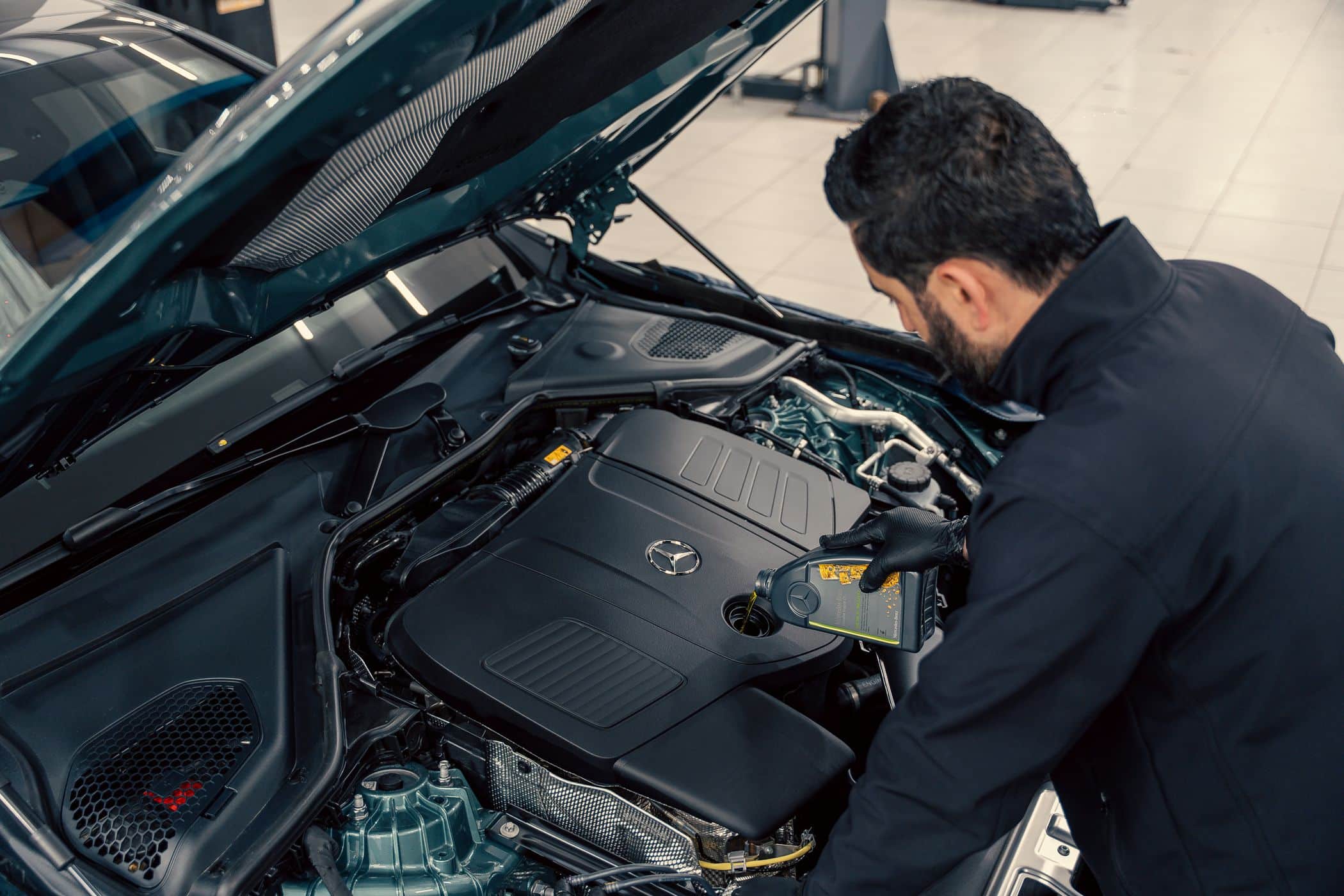
A budget is the economic estimate of a job, service, or repair before its execution. In fleet management, it is used to anticipate costs, validate interventions, and order decisions about maintenance, workshops, or suppliers. Its value lies in providing advance visibility of expected spending and turning an operational need into more controlled, traceable management aligned with approval criteria.
What is a budget?
A budget is an economic proposal that details the estimated cost of a job, intervention, or service before it is executed.
In a fleet, this is typically applied to repairs, maintenance, spare parts, labor, or other services that require prior validation of spending. The budget allows knowing in advance how much an intervention will cost and what concepts comprise that value.
Therefore, it is not just a financial figure. It is a decision-making tool within the operation.
What is a budget used for in a fleet?
It is used to anticipate costs and organize the process before approving an intervention.
When a company receives or uploads a budget, it can review whether the work makes sense, whether the amount is reasonable, whether it is worth moving forward, compare alternatives, and maintain traceability on how the spending was defined. This is especially important when the work is carried out with an external workshop or supplier.
It also serves to reduce improvisation. Instead of discovering the cost after the repair, the operation can make a prior decision with more context.
What information does a budget typically include?
A budget typically includes the detail of the service to be performed, labor costs, spare parts, totals, and, depending on the case, notes or attachments that help support the economic proposal.
In more complete operations, it can also be linked to the corresponding ticket, the assigned workshop or supplier, the affected unit, and the date it was issued or approved.
What matters is that the budget allows understanding what will be done and how much is expected to be spent before proceeding with the management.
What relationship does the budget have with approval?
The relationship is direct. In many workflows, especially when management is external, the budget functions as the step prior to formal approval of the work.
First the budget is received or recorded. Then it is reviewed. And only after, if appropriate, it is approved so the intervention can proceed. This sequence helps maintain control over spending and prevents a repair from being executed without proper validation.
In other words, the budget provides economic visibility. Approval turns that visibility into decision.
Why is it important for costs and traceability?
It is important because it allows connecting estimated cost with the actual work that is then executed. This improves financial control, supplier comparison, and subsequent review of management.
Without a budget, spending can appear decontextualized. With a budget, the company can reconstruct why an intervention was approved, how much was expected to be spent, what concepts it included, and how the management evolved until closure.
That is why the budget not only helps before the work. It also leaves a trace for later analysis.
Use cases
How VEC Fleet can help
VEC Fleet helps manage budgets within the ticket workflow, especially in external services where prior economic control is key.
The functional documentation shows that, once a workshop or supplier is assigned, a budget can be uploaded within the ticket, including concepts such as labor, spare parts, and total. From there, the ticket goes through an approval stage before advancing. Additionally, the analytical dashboard includes response times associated with budgets and approvals, which allows measuring how long this stage takes within the process.
In this way, VEC Fleet converts the budget into a structured part of management rather than separate data from maintenance. The team can analyze costs, maintain traceability, and better control the path of each intervention from its economic evaluation to ticket closure.
¿Querés ver cómo funciona en tu flota?
Completá el formulario y un especialista te contacta para mostrarte la plataforma sin compromiso.
FAQs
What is a budget in a fleet?
It is the economic estimate of a job or intervention before its execution, used to anticipate costs and decide whether to proceed.
What does a budget typically include?
It typically includes detail of the service, labor, spare parts, total estimate, and in some cases, notes or attachments.
Is it the same as an approval?
No. The budget shows the expected cost. Approval is the decision to proceed or not with that spending and that work.
Why is it important within a ticket?
Because it allows connecting estimated cost with concrete management, improving traceability and better controlling the process before executing a repair.
How does VEC Fleet work with this?
It works within the ticket workflow, with concept upload, approval stage, and response time tracking linked to the budget.