Fleet optimization is the process of improving the performance of a vehicle operation through decisions that reduce costs, increase availability, organize processes, and better leverage resources. In fleet management, it involves working on maintenance, fuel, documentation, vehicle use, management times, and operational visibility. Its value lies in transforming dispersed data into concrete actions for a more efficient, predictable, and controlled operation.
What is fleet optimization?
Fleet optimization is the set of actions aimed at improving how a fleet functions in terms of efficiency, cost, availability, and control.
It is not just about “saving money” for operations. It also involves organizing processes, reducing friction, anticipating problems, and ensuring that each vehicle, resource, and piece of data contributes maximum value to the business.
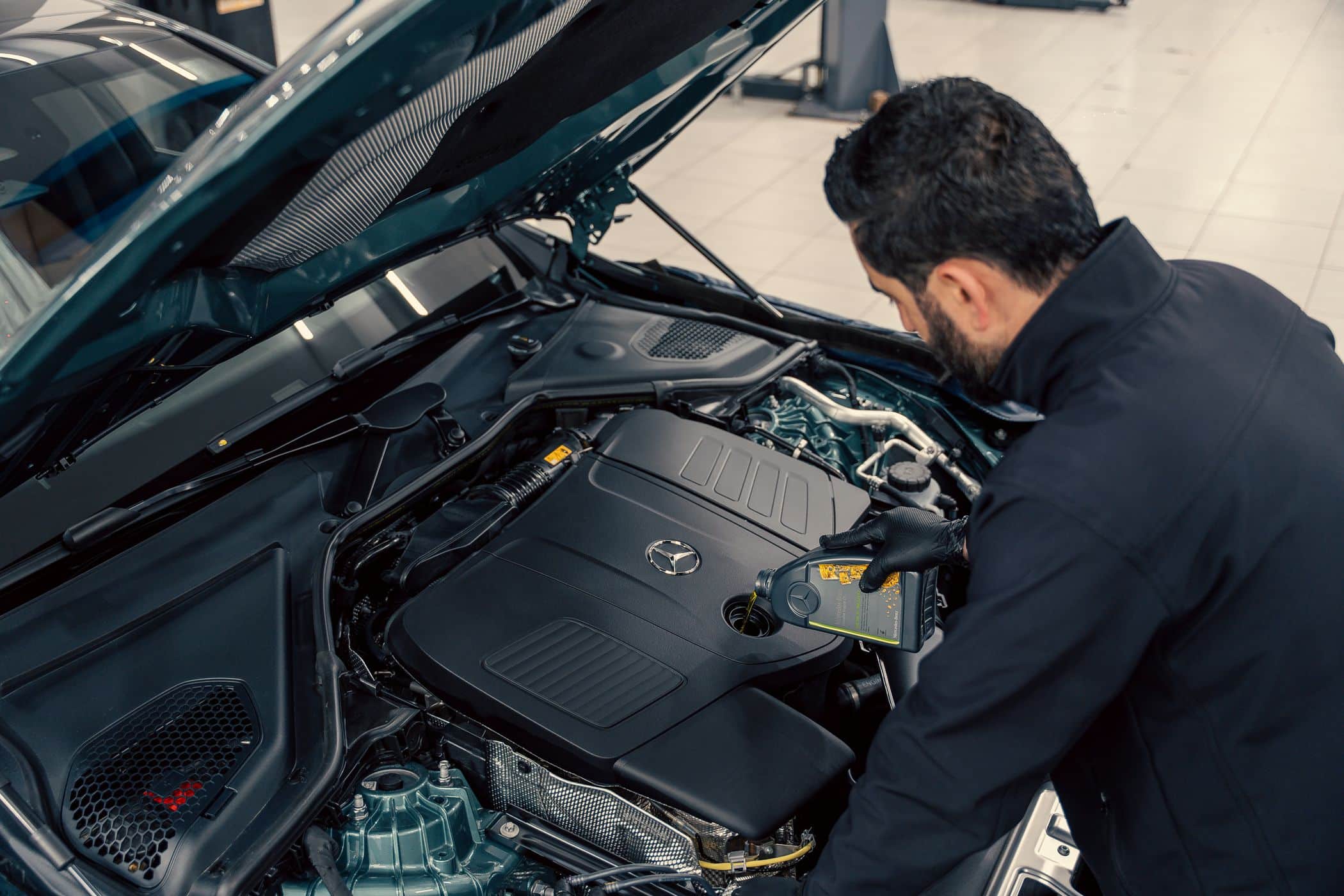
In a fleet, optimizing means making better decisions about maintenance, fuel, vehicle use, documentation, tickets, times, and general operation management.
What is the purpose of optimizing a fleet?
It serves to sustain a more efficient and more profitable operation without losing control over service continuity.
When a company optimizes its fleet, it can reduce idle times, avoid preventable expenses, improve vehicle availability, detect deviations more quickly, and better use the information it already generates every day.
It also serves to scale. An operation that grows without optimization usually grows with more errors, more cost overruns, and less visibility. Instead, an optimized fleet can absorb complexity with more organized processes.
What areas are part of fleet optimization?
Fleet optimization involves several areas at the same time, because operation performance does not depend on a single factor.
Among the most important are preventive and corrective maintenance, fuel control, documentation, operational availability, tickets, workshops, response times, vehicle use, cost per unit, and indicator analysis.
Also part of it are traceability, automation of repetitive tasks, and the ability to convert operational information into actionable decisions.
Why is it important for costs and availability?
It is important because an inefficient fleet usually pays twice: in direct expense and in loss of operational capacity.
When there is no optimization, repairs increase, fuel deviations, time in the shop, expired documentation, management delays, and coordination failures. All of that impacts both total cost and the number of units available to work.
Optimizing the fleet helps address both fronts simultaneously: it improves economic control and also service continuity.
What indicators help optimize a fleet?
Optimization needs metrics that allow seeing what part of operations is working well and which needs intervention.
Among the most commonly used indicators are operational availability, cost per kilometer, km/liter, failure frequency, time in shop, repair lead time, tickets in management, invalid loads, expired documentation, and service levels.
The key is not to accumulate indicators, but to use them to detect deviations, prioritize actions, and sustain continuous improvement based on real data.
Use cases
How VEC Fleet can help
VEC Fleet helps optimize the fleet by centralizing in a single platform the processes that most impact efficiency, costs, and operational control.
The solution integrates maintenance, fuel, documentation, infractions, inspections, tickets, and analytical dashboards so that the company can detect deviations, anticipate services, organize workflows, and sustain a more complete reading of fleet status. This allows optimization to not depend on separate spreadsheets or manual reviews, but rather on connected and actionable information.
Additionally, VEC Fleet allows working with metrics such as availability, response times, liters consumed, km/liter, cost per kilometer, repairs by brand or model, and critical documentation. In this way, fleet optimization stops being a general intention and becomes a concrete process of continuous improvement based on traceability, automation, and data.
¿Querés ver cómo funciona en tu flota?
Completá el formulario y un especialista te contacta para mostrarte la plataforma sin compromiso.
FAQs
What does fleet optimization mean?
It means improving the performance of vehicle operations to reduce costs, increase availability, and maintain more efficient and controlled management.
Is optimizing a fleet just saving fuel?
No. It also involves improving maintenance, management times, documentation, availability, traceability, and overall vehicle use.
What indicators are worth monitoring to optimize?
Worth monitoring are operational availability, cost per kilometer, km/liter, failure frequency, time in shop, tickets, fuel deviations, and service levels.
Why does optimization need centralized data?
Because without connected information it is harder to detect deviations, compare performance, and make consistent decisions about operations.
How does VEC Fleet help optimize the fleet?
It helps by centralizing processes, automating controls, and showing KPIs and dashboards that allow improving maintenance, fuel, documentation, and operational control within a single platform.