How to know if a truck belongs to a vehicle fleet
Knowing whether a truck actually belongs to a vehicle fleet may seem like a simple question, but in practice it has important operational, legal, and administrative implications. It is not enough to see that a unit has a company logo or that it circulates alongside other vehicles. To determine if it truly is part of a fleet, you have to look at more concrete signals related to ownership, management, documentation, maintenance, and operational use.
This article explains the 6 signs that confirm a truck belongs to a fleet, what clues are not enough on their own, and how to distinguish between legal ownership and real operational integration.
- June 2, 2026
- Updated: June 2, 2026
- Leandro Mataloni
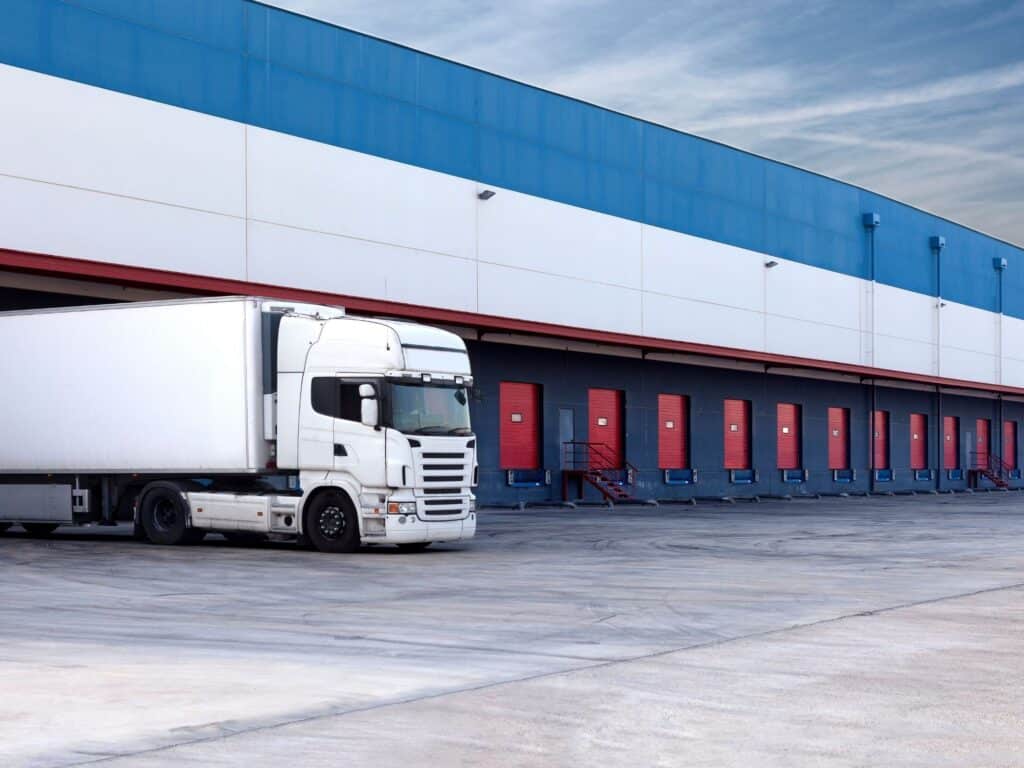
Knowing whether a truck actually belongs to a vehicle fleet may seem like a simple question, but in practice it has important operational, legal, and administrative implications. It is not enough to see that a unit has a company logo or that it circulates alongside other vehicles. To determine if it truly is part of a fleet, you have to look at more concrete signals related to ownership, management, documentation, maintenance, and operational use.
In logistics, transport, and corporate operations, a vehicle fleet is not just a group of trucks. It is a set of mobile assets managed in a coordinated way, with rules, responsible parties, centralized documentation, and control processes. Identifying whether a unit belongs to a fleet or not helps to understand the operational maturity of a company.
The question has a second, more important layer: many companies assume they “have a fleet” because they own several trucks, but upon closer inspection they discover that their units are not really integrated into a structured fleet management system. This article helps you distinguish what is visible from what is operationally real.
If you want to dive deeper into the conceptual difference between a structured fleet and a less formal operation, check out fleet vs vehicle fleet: operational differences and when to move from one to the other.
What it means for a truck to belong to a vehicle fleet
A vehicle fleet is a set of vehicles managed under the same operational logic. It can include trucks, utility vehicles, light units, machinery, or specialized vehicles. What matters is not just the quantity. It also matters that there is centralized or at least structured management. To dive deeper into the different criteria for vehicle fleet classification, see the specific article.
In practical terms, a truck belongs to a fleet when it is part of a system where the following are controlled:
- Ownership or assignment of the unit.
- Documentation and expiration dates.
- Preventive and corrective maintenance.
- Operational status.
- Costs and consumption.
- Driver or assigned person in charge.
- Use within a specific operation.
Belonging to a fleet is not defined only by who uses the truck, but by how it is managed.
Why this distinction matters
For the company itself. It allows you to organize assets, validate responsible parties, identify active units, and separate operational vehicles from outsourced units, decommissioned vehicles, or those out of service.
For a customer or supplier. It helps to understand whether they are dealing with a professionalized operation, with traceability and clear processes.
For audit or compliance. It allows you to verify whether the unit is integrated into a documentation, maintenance, and operational management system.
For purchasing or integration decisions. It is useful when a company adds new units, absorbs another operation, or evaluates whether certain trucks are actually being managed as part of a fleet.
The 6 signs that confirm a truck belongs to a fleet
1. It is registered in a formal vehicle inventory
One of the clearest signals is that the unit is formally registered within the company’s vehicle inventory, with structured associated information:
- Plate or registration number.
- Make and model.
- Vehicle type.
- Internal number.
- Operational base.
- Cost center.
- Operational status.
If a unit is registered this way, it is a strong sign that it is part of a managed fleet.
2. It has centralized and controlled documentation
Documentation is managed centrally, not in scattered folders or on the responsible person’s phone:
- Insurance.
- Technical inspection.
- Permits.
- Mandatory vehicle documents.
- Expiration dates associated with automatic alerts.
When a truck has this kind of documentary traceability, it is most likely already being treated as part of a fleet. To understand what minimum documentation each unit should have, check out what documents a fleet needs to operate legally.
3. It has planned maintenance and technical history
A truck that belongs to a fleet is not managed only when it fails. In general, it has technical history and preventive controls:
- Scheduled preventive maintenance.
- Recorded corrective tickets.
- Service history.
- Control by mileage, time, or hours.
If a unit has this level of monitoring, it is a clear sign of belonging to a vehicle fleet. To understand how these plans are structured, see what preventive maintenance is.
4. It has a defined operational status
The unit has a clear status within an operation:
- Operational.
- In workshop.
- Out of service.
- Sold or decommissioned.
- Loss due to incident.
- Loaned or operational lease.
When a company controls these statuses, the truck stops being an isolated unit and becomes a managed asset.
5. It has an assigned driver or person in charge
A truck that is part of a fleet is normally not “free.” It has at least one responsible party, driver, or assigned area:
- Regular driver.
- Operational base.
- Administrative person in charge.
- Cost center.
- Linked sector or management.
Assignment traceability is an important signal of real integration into the fleet.
6. It generates operational data within a system
The unit appears in operational indicators or dashboards, not only in accounting records:
- Active vehicles.
- Operational vehicles.
- Units under repair.
- Tickets in progress.
- Units without GPS reporting.
- Vehicles with expired documentation.
If a truck is part of those dashboards, there is no doubt that it is integrated into a fleet logic.
📥 Free download: Fleet management guide — top 5 challenges. Get the ebook →
Signals that are NOT enough on their own
It is also worth clarifying which signals do not confirm anything on their own, even though they may be misleading.
Having branding or wrap. A logo on the bodywork may indicate commercial belonging, but it does not prove structured management. Many trucks with logos are outsourced or rented.
The company saying it “has a fleet.” It may be true, but what matters is whether real operational and documentary control exists behind that statement.
Circulating alongside other trucks. That does not demonstrate integration into the same fleet. They could be outsourced, contractors, or simply different vehicles that coincide on a route.
Legally belonging to a company. Ownership helps, but it does not guarantee that the truck is actively incorporated into a managed fleet. You can have a truck under the company’s name without knowing where it is or when its insurance expires.
Ownership vs operational integration: the real difference
A company can have a truck registered under its name and still not manage it well as part of a fleet. This is the most important distinction in the article.
Own truck without integration. It is registered under the company’s name, but without structured maintenance, without centralized documentation, and without real operational control. It appears in accounting as an asset, but in daily operations it is managed with spreadsheets, memory, and ad-hoc calls.
Truck integrated into a fleet. Beyond belonging or being assigned to the company, it is within management, monitoring, maintenance, documentation, and analysis processes. Its status can be consulted in real time.
The difference matters because having assets is one thing, but managing them as a fleet is quite another. Companies that confuse ownership with integration usually discover the problem when something fails: fines for expired documentation no one was tracking, major corrective work caused by skipped preventives, or surprise inspections without papers in order.
Self-diagnosis: are your trucks really managed as a fleet?
To answer this question for your own operation, ask these 7 questions for each unit:
- Is the unit registered in a formal system? (Excel or a manual spreadsheet does not count as a substitute.)
- Does it have valid and centralized documentation with automatic expiration alerts?
- Does it have a recorded and consultable maintenance history?
- Does it have an updated operational status (operational, workshop, out of service)?
- Does it have a responsible party or driver formally assigned?
- Does it appear in dashboards or operational reports with its own indicators?
- Is it linked to a base, cost center, or operational sector?
If the answer is “yes” to 5 or more of these questions for most of your units, your operation works as a structured fleet. If the answer is “no” to several, your trucks are likely owned by the company but not integrated into real fleet management. And there is a concrete opportunity for improvement.
How to integrate trucks into a managed fleet
If the diagnosis above indicates that your units are not really being managed as a fleet, the next step is to digitize the operation. A platform such as VEC Fleet allows you to turn a group of owned trucks into a traceable fleet:
- Centralize each vehicle’s information (technical data sheet, responsible parties, base, cost center).
- Record documentation and expiration dates with automatic alerts.
- Assign preventive maintenance plans by mileage, hours, or time.
- Keep a history of tickets, corrective work, and services per unit.
- Define configurable operational statuses (operational, workshop, out of service, etc.).
- Visualize KPIs per unit on BI dashboards.
Digitization is what turns an inventory of trucks into a real operational fleet.
Conclusion
Knowing whether a truck belongs to a vehicle fleet means looking at much more than the visible use of the unit. What really confirms it is its integration into a management system: registration, documentation, maintenance, operational status, responsible parties, and indicators.
A truck belongs to a fleet when it stops being an isolated unit and becomes part of a traceable, administered, and controlled operation. That difference matters for the company, its customers, and any compliance or efficiency evaluation.
And when that management is supported by a platform like VEC Fleet, it becomes much easier to verify with data whether a unit is an active part of the fleet and how it is being managed in real time.
Do you want real clarity about which trucks belong to your fleet and how they are being managed?
With VEC Fleet, you can centralize maintenance, documentation, operational statuses, and indicators per unit from a single platform.
Frequently asked questions
How can I tell if a truck belongs to a vehicle fleet?
The best way is to check if it is registered in a management system with structured information (plate, make, base, cost center), has centralized documentation with expiration alerts, preventive and corrective maintenance history, a defined operational status, an assigned driver or person in charge, and appears on dashboards with its own indicators. If it meets several of these conditions, it is integrated into a fleet.
Does a company logo prove that the truck belongs to a fleet?
Not necessarily. It may be a commercial signal, but it does not confirm that the unit is integrated into structured fleet management. Many trucks with logos are outsourced, rented, or belong to contractor suppliers without being managed by the company shown on the wrap.
Is centralized documentation a sign of belonging to a fleet?
Yes, it is one of the strongest signals. When the vehicle has insurance, technical inspections, permits, and expiration dates controlled from a central system with automatic alerts, there is a clear sign of integration into the fleet. The alternative (documentation scattered in folders, emails, or the responsible person’s memory) is characteristic of non-integrated operations.
Does an owned truck always belong to a fleet?
Not always. It may be owned by the company but not actively managed as part of a structured fleet. The difference lies between legal ownership (accounting) and operational integration (management processes). A truck can be owned but, in practice, operate as an isolated unit without planned maintenance or documentary control.
Does maintenance help identify whether it belongs to a fleet?
Yes. If the unit has preventive plans scheduled by mileage or hours, recorded corrective tickets, and consultable technical history, it is a clear sign of fleet management. Spot reactive maintenance (fix when it breaks, no history) indicates the absence of structured management.
How does VEC Fleet help identify this?
VEC Fleet allows you to centralize technical data, documentation, maintenance, operational statuses, responsible parties, and indicators per unit on a single platform. This not only makes it possible to identify which vehicles are formally integrated into the fleet, but also to transform a group of owned trucks without structured management into a real, traceable operational fleet.