Reports every fleet manager should have ready to present to the CFO

When the CFO asks for numbers, the fleet manager needs to show up with the 7 essential reports. What they are, what each one answers and how often to review them.
How to measure tire wear in a fleet: measurement vs. estimation
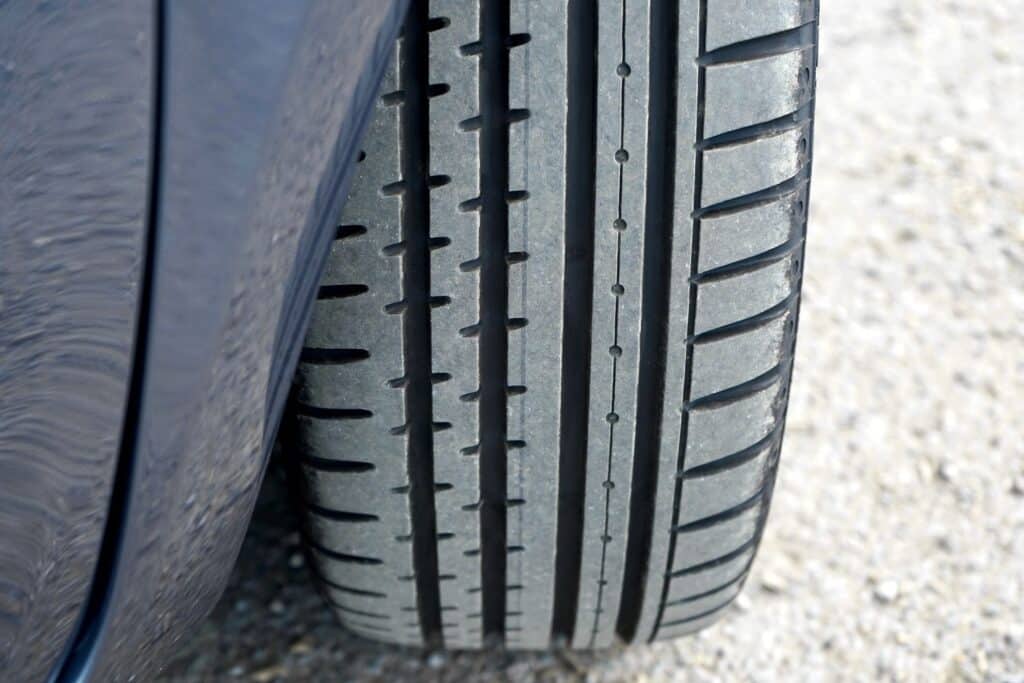
Eyeballing tire wear costs money. How to measure it properly, how often, which values to record and why real measurement changes purchasing and rotation decisions.
How to cut a fleet’s traffic fines by 40% in 6 months

Company fleet traffic fines are avoidable with control, internal policy and consequences. The 6-month roadmap to reduce violations, step by step.
Digital vehicle checklist: what to include and how to set it up

A digital checklist replaces paper inspections with traceability, photos and usable evidence. Which items to include, which field types to use and how to set it up properly.
Vehicle document expirations: how to never be late again

A single expired document can take your vehicle out of service. The system of alerts, traffic lights and escalations that makes sure no expiration slips through.
How to reduce fleet downtime by 30%
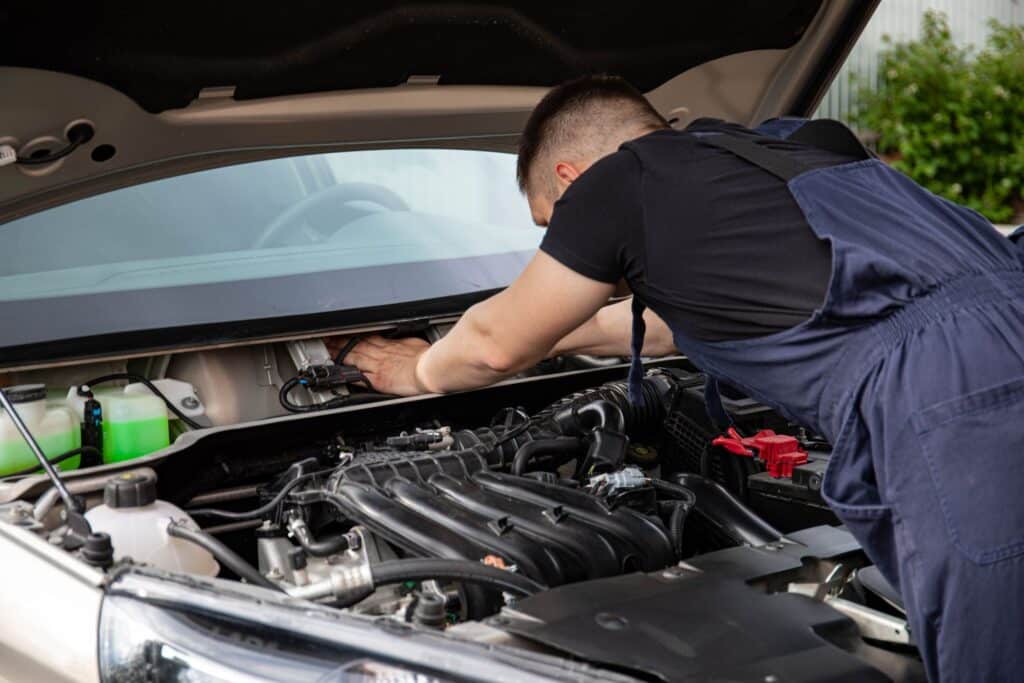
Every day a vehicle spends in the workshop is a day it isn’t operating. How to cut fleet downtime by 30% with partial/total time tracking, prioritization and workshops.
How to calculate the true cost of maintaining a vehicle
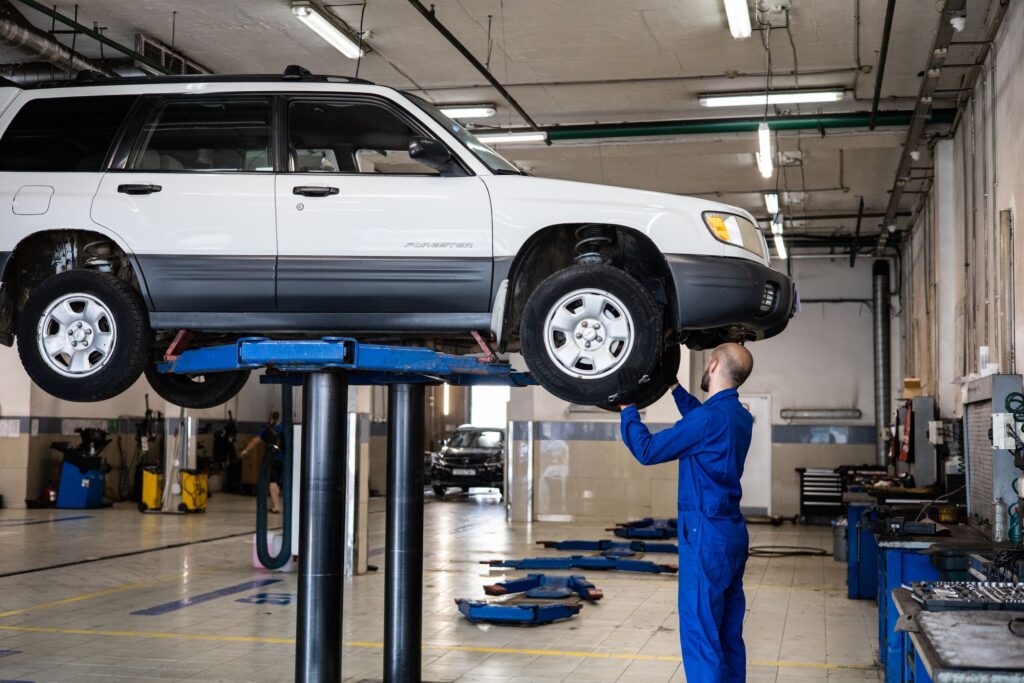
The true cost of maintaining a vehicle goes far beyond the workshop invoice. The 6 components you need to add up so you don’t underestimate the spend.
Invalid fuel fill-ups: what they are, how to detect them and what to do

Invalid fill-ups are the first line of fuel control. The 4 controls that detect them, the review workflow and what to do with each type of deviation.
Expected fuel efficiency by model: how to calculate it and measure deviation
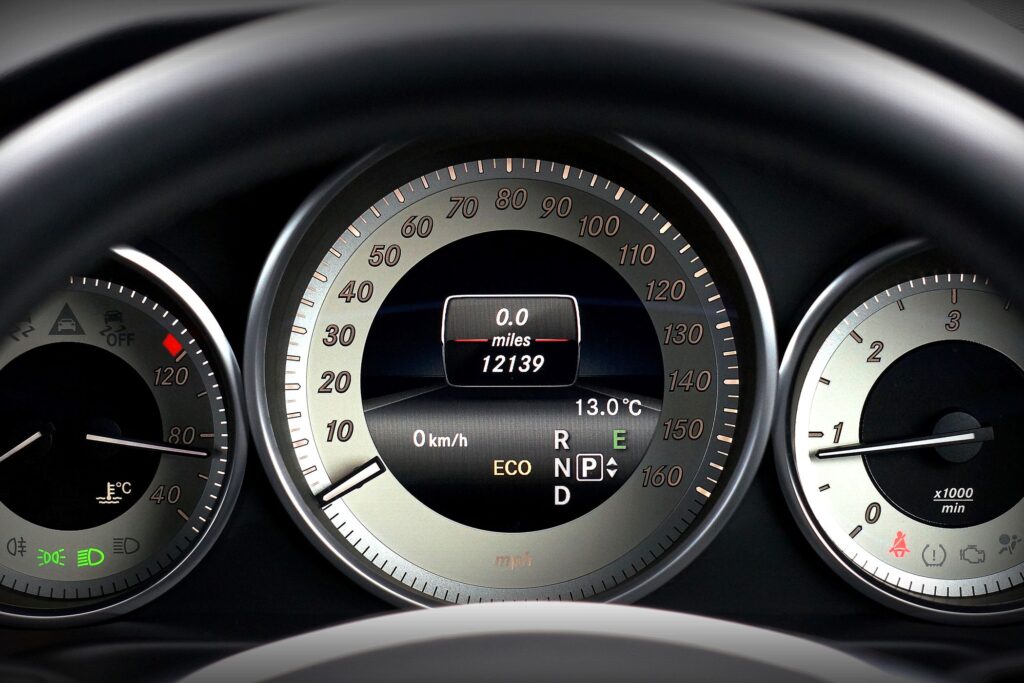
Expected fuel efficiency is the benchmark every fill-up is measured against. How to calculate it with your own data, how to set the tolerance and how deviation is detected.
Fleet fuel control: the 5 pillars you can’t skip
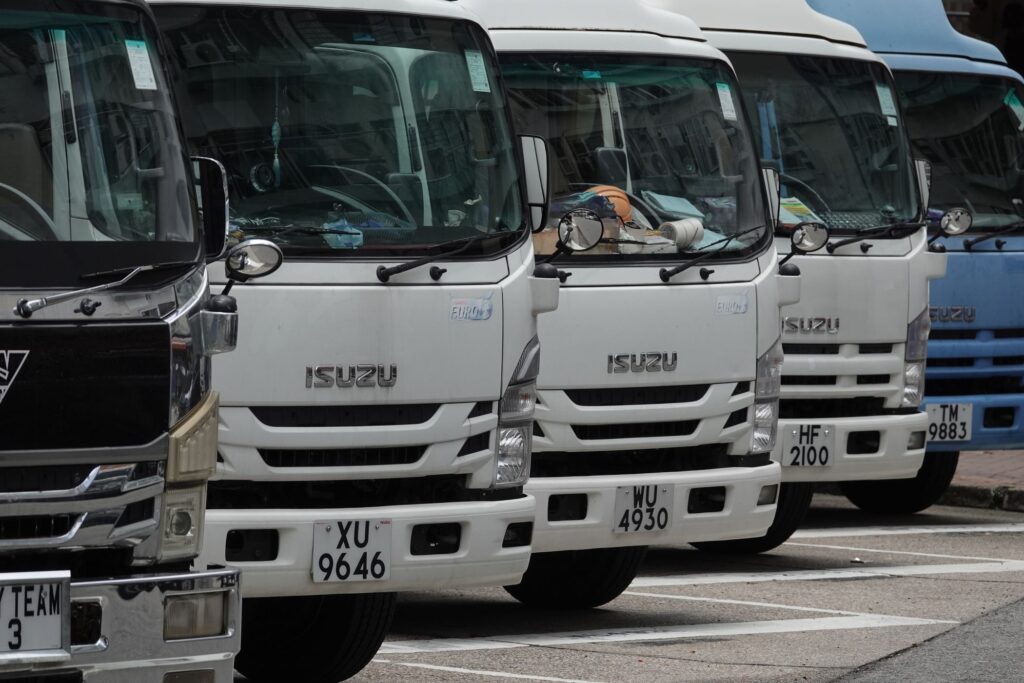
Fuel is one of a fleet’s largest expenses and the one that is controlled worst. The 5 pillars that structure control: fuel efficiency, validations, integration, reports and policy.