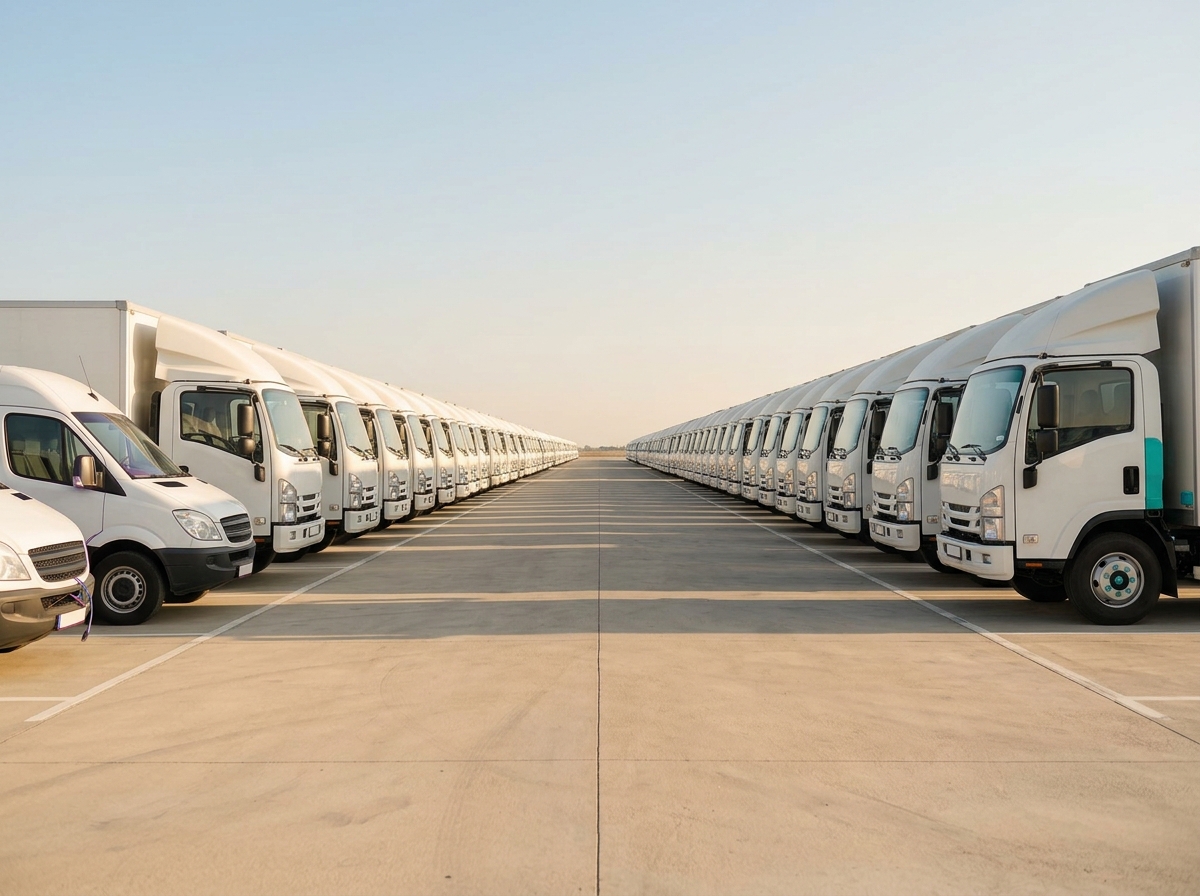
GPS tracking shows where the fleet is. The questions that weigh most on cost go unanswered: when each vehicle needs maintenance, how much is spent on tires and how that data reaches the company ERP. For fleet managers and operations leaders with more than 100 vehicles, the choice of system decides whether those answers live in one place or are scattered across spreadsheets and reports.
This guide compares the most common fleet management system options using four criteria: preventive maintenance, tire control, costs and ERP connection.
Four criteria for comparing options
- Preventive maintenance: whether the system lets you plan services by vehicle, flags upcoming due dates and keeps the history of each service.
- Tire control: whether tire tracking is part of the same system as maintenance or depends on a separate tool.
- Cost management: whether fleet spend can be analyzed by vehicle and by service type.
- ERP connection: whether operational data can connect to the company’s management system, avoiding duplicate data entry.
1. VEC Fleet
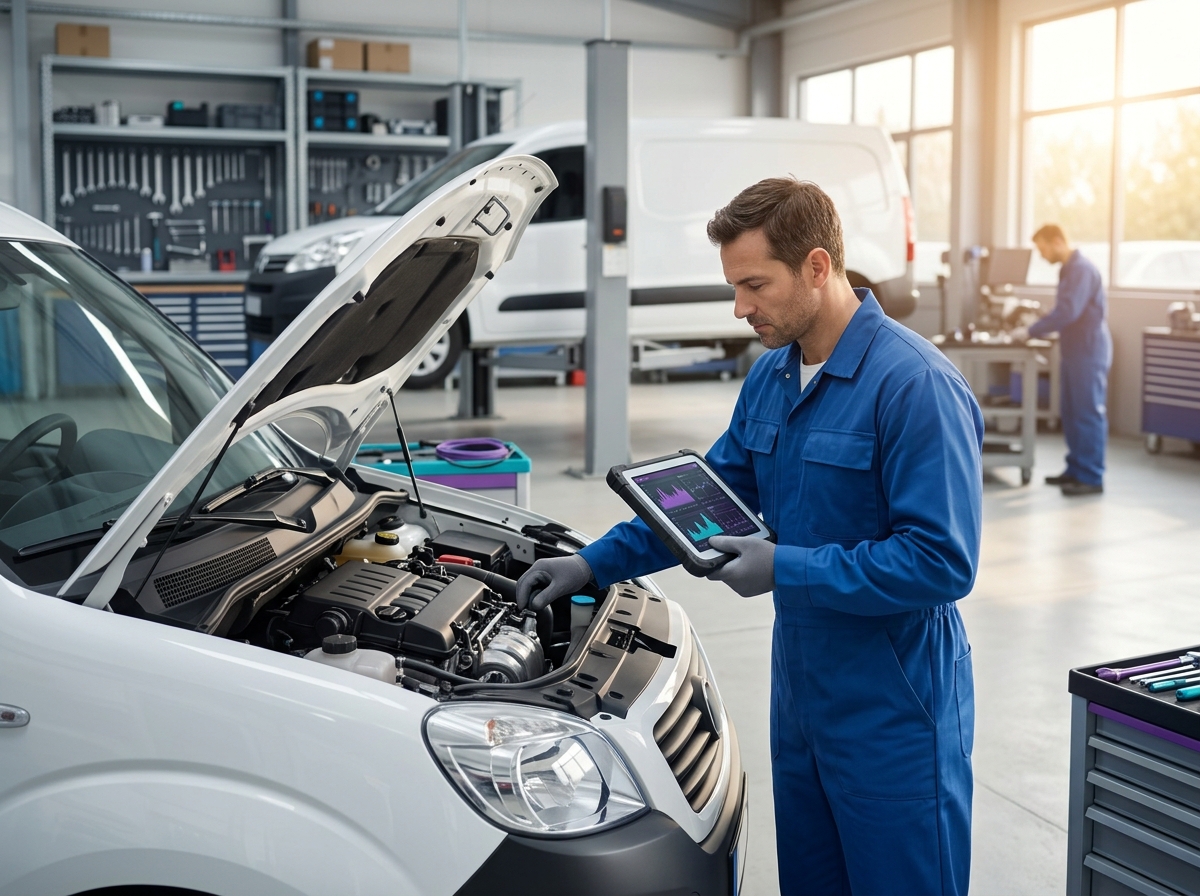
VEC Fleet is a fleet management platform with Maintenance, Tires, Documentation and BI Suite modules. In the Maintenance module, preventive plans have due-date alerts, tickets are centralized and the calendar shows scheduled services. The history stays attached to each vehicle, and maintenance spend can be analyzed by service type, make and model.
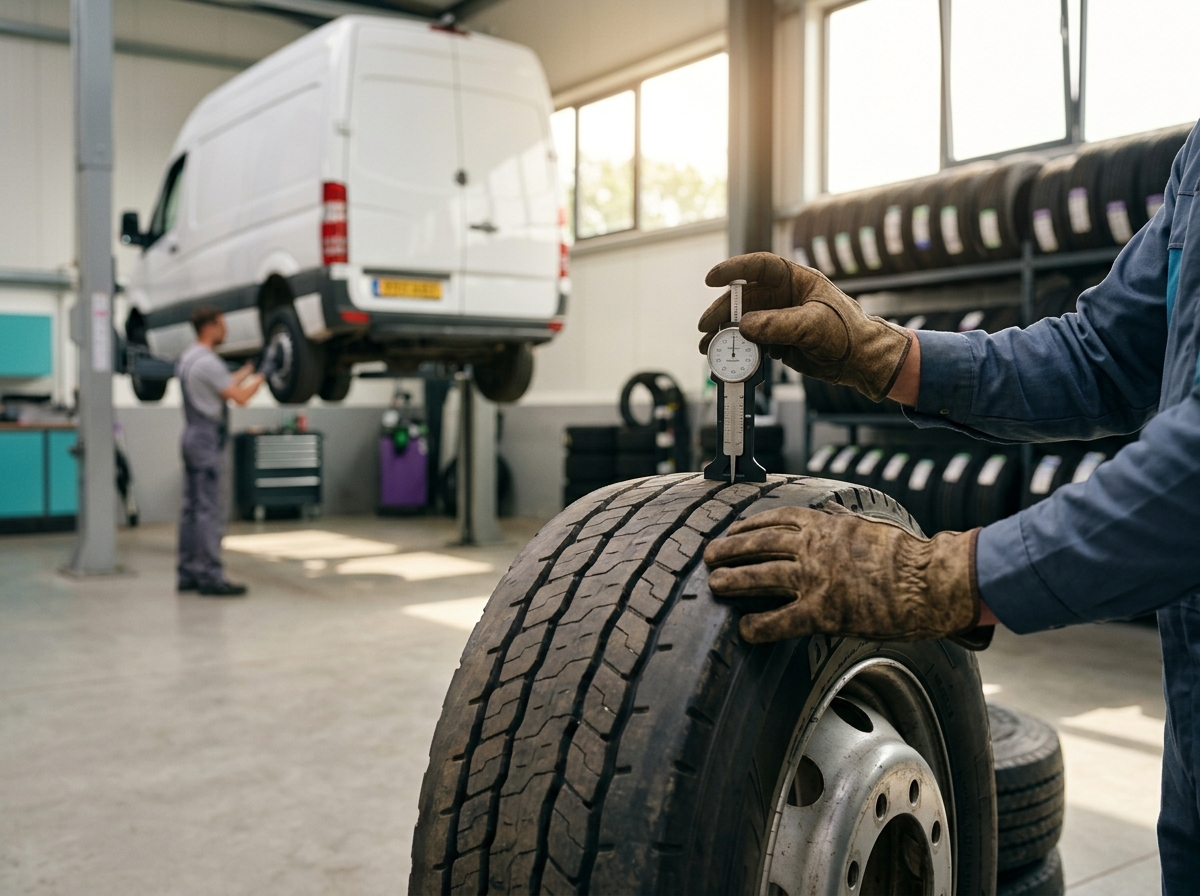
For tire control, the Tires module lets you record and follow the tires on each vehicle, with usage history and costs.
On connections to other systems, VEC Fleet works with interfaces that connect operational data to systems such as the ERP, and the scope of each connection is defined with the company during the project. On GPS, the system integrates with the tracker the company already uses and can connect to any provider on request.
Best for: fleets that already have tracking and need to organize maintenance, tires and costs in a single platform.
2. GPS tracking platforms with fleet modules
Tracking providers often include maintenance reminders. Location and routes are their strength. Cost analysis and tire control tend to be more limited, and standalone GPS leaves out much of managing the vehicle life cycle.
Best for: cases where the main need is locating vehicles.
3. Fleet modules inside the ERP
Some ERPs offer modules for tracking vehicles as assets. The advantage is keeping everything in the same financial system. The trade-off is that operational detail, such as repair shops, due dates by vehicle and tire tracking, usually needs adaptations.
Best for: cases where accounting integration is the priority.
4. General-purpose maintenance systems (CMMS)
They handle work orders and preventive plans for any type of asset. They have to be adapted to fleet routines, with vehicles, outside repair shops and tires.
Best for: companies with several types of assets and in-house staff to configure the system.
5. Spreadsheets
They are the starting point for many fleets. With more than 100 vehicles, due dates get lost, data is duplicated and cost per vehicle becomes hard to calculate.
Best for: small fleets or a transition phase.
How to choose
- List which systems the operation already uses and what data needs to flow between them.
- Identify where information is lost today: maintenance, tires or costs.
- Decide who will own the rollout inside the company.
- Ask for a demo using data from your own fleet.
How VEC Fleet organizes maintenance, tires and fleet costs
VEC Fleet brings preventive plans, tickets, the calendar, history and tire tracking into one platform, and BI Suite presents fleet indicators in dashboards that update every day. To learn about the maintenance module, visit the fleet maintenance software page or request a demo.
Frequently asked questions
What is the difference between GPS tracking and a fleet management system?
GPS shows where the vehicle is. A management system organizes maintenance, tires, documents and costs over the vehicle’s working life.
Does the system need to connect to the ERP?
It depends on the operation. Connecting the two avoids duplicate data entry and brings fleet data closer to the company’s financial data.
Do I need to replace my current tracker?
Not necessarily. VEC Fleet integrates with the tracker the company already uses and can connect to any provider on request.
Is tire control part of maintenance?
In VEC Fleet, the Tires module works alongside Maintenance, so both sit on the same platform.