The best tire management software for fleets records inspections, wear and rotations per vehicle, calculates cost per mile and connects to vehicle maintenance. When tire data sits in a separate spreadsheet, replacement decisions are made late and with incomplete information.
Last updated: October 2026
Why manage tires with software?
Tires are among the heaviest items in the cost of running a fleet, alongside fuel and maintenance. Premature wear usually has measurable causes: incorrect pressure, poor alignment, rotations that are not done on time, or retreads without follow-up. Without a record per vehicle and per position, those causes go unnoticed.
How is cost per mile calculated?
The basic formula is the total cost of the tire (purchase plus retreads and repairs) divided by the miles it covered over its service life. For the number to be useful, you need to know which vehicle and which position each tire was mounted on, and how many miles it accumulated there. Tire management software keeps that history automatically.
What approaches exist for managing tires?
| Approach | What it offers | Usual limitation | When it fits |
|---|---|---|---|
| Manual spreadsheet | Simple record of purchases and changes | No alerts, no history per position | Very small fleets |
| Tire module inside maintenance software | Inspections and shop work orders | Little visibility into cost per mile | When the focus is the workshop |
| Tires integrated into a fleet management platform (VEC Fleet) | Wear, alerts, cost per mile and links to maintenance, fuel and reports | Requires loading the initial inventory | Large fleets that want a single source of data |
Which criteria are worth comparing?
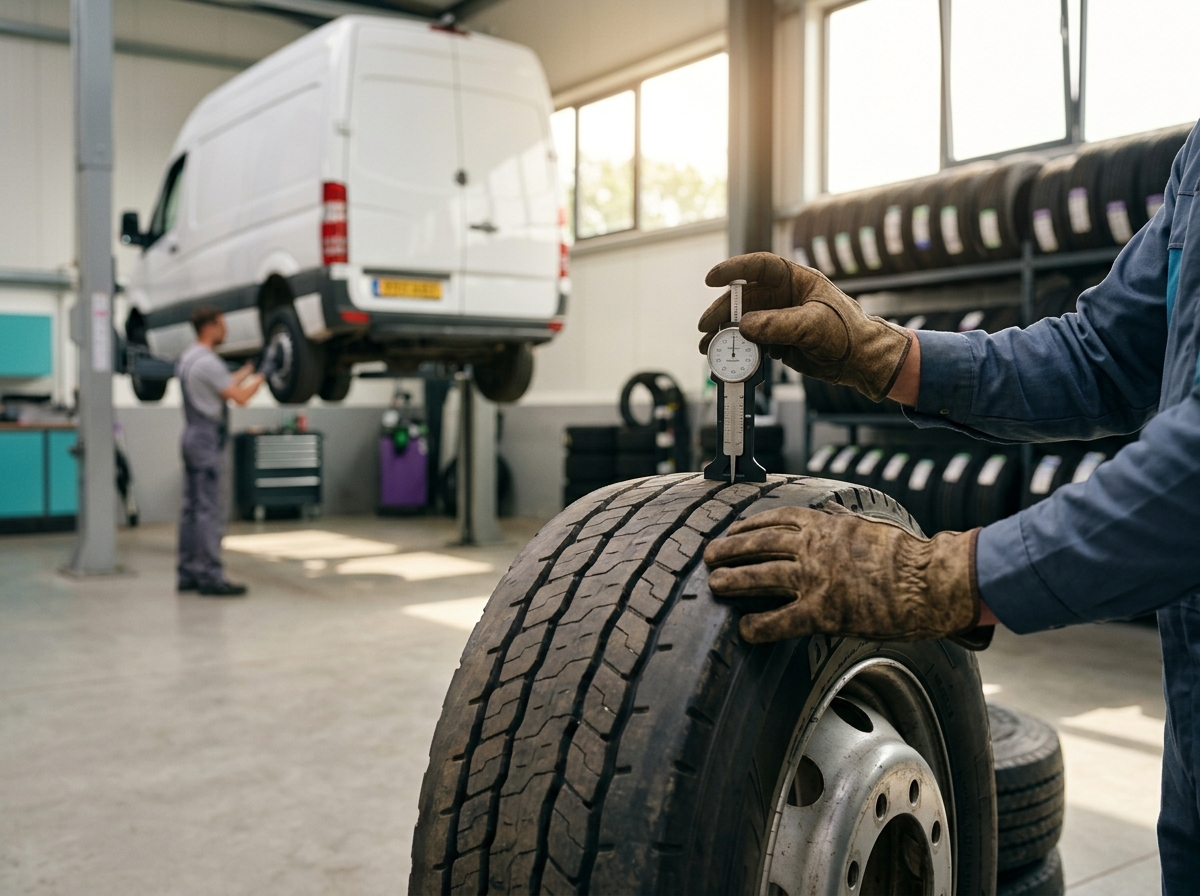
- Inspections by position: pressure, tread depth and visual condition, recorded from the operator’s phone.
- Full history of each tire: purchase, mounting, rotations, retreads and disposal.
- Alerts for pressure, wear and pending rotations.
- Cost per mile by tire, by vehicle and by brand.
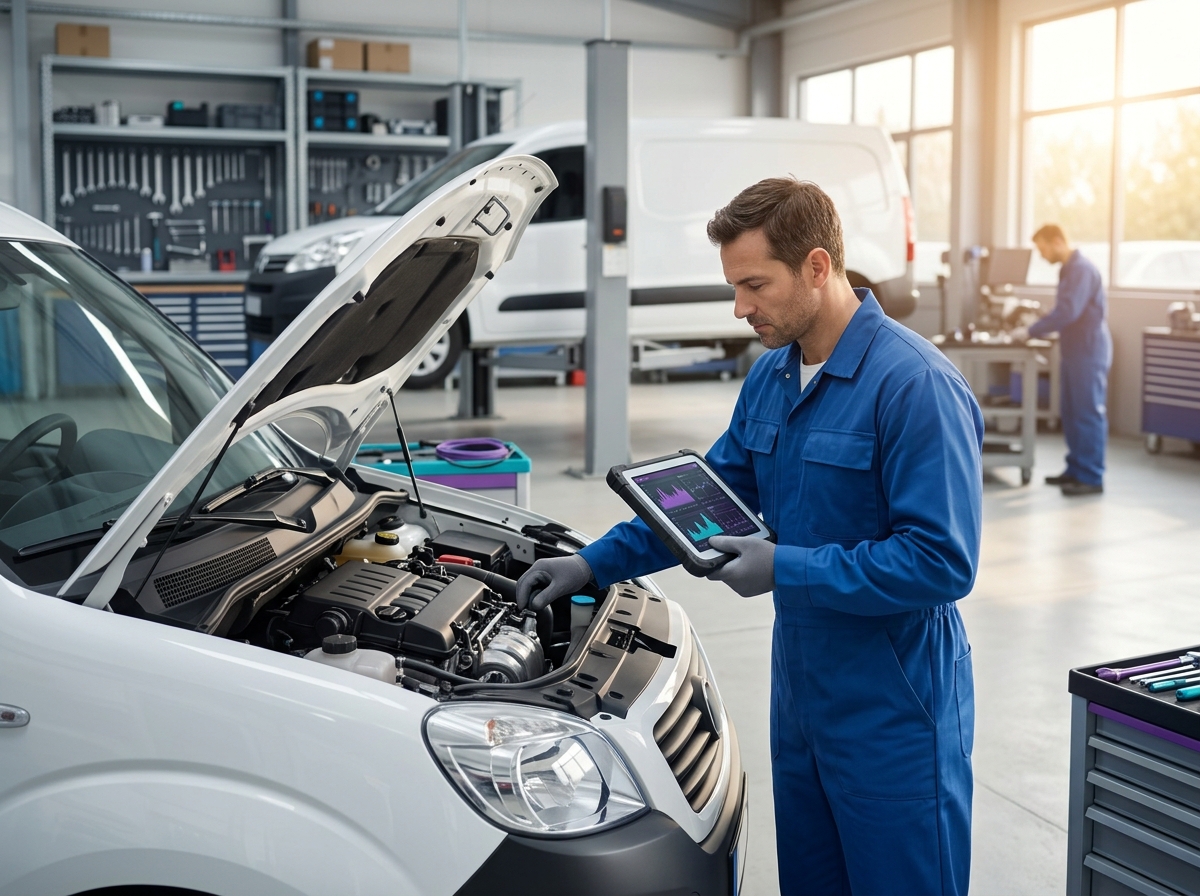
- Integration with maintenance: an inspection with findings should generate a work order.
- Reports that let you compare suppliers and decide when to retread or replace.
How do you start without slowing down operations?
Start with a diagnosis of the current inventory, load the highest-mileage vehicles first and add inspections to the operator’s usual routine. Within a few weeks the software shows which positions wear the fastest and which supplier delivers the most miles.
Frequently asked questions
How often should tires be inspected? A pressure and visual check every week or every two weeks, depending on use, and a tread measurement every month is a common routine.
Can you measure cost per mile without software? You can in a spreadsheet, but it means cross-referencing purchases, mountings and mileage by hand, and the figure tends to arrive out of date.
Does the software replace pressure sensors? There is no need to replace them. Sensor data can be added to the history when it exists.
To see how it applies to your fleet, request a demo or explore the fleet maintenance software module.