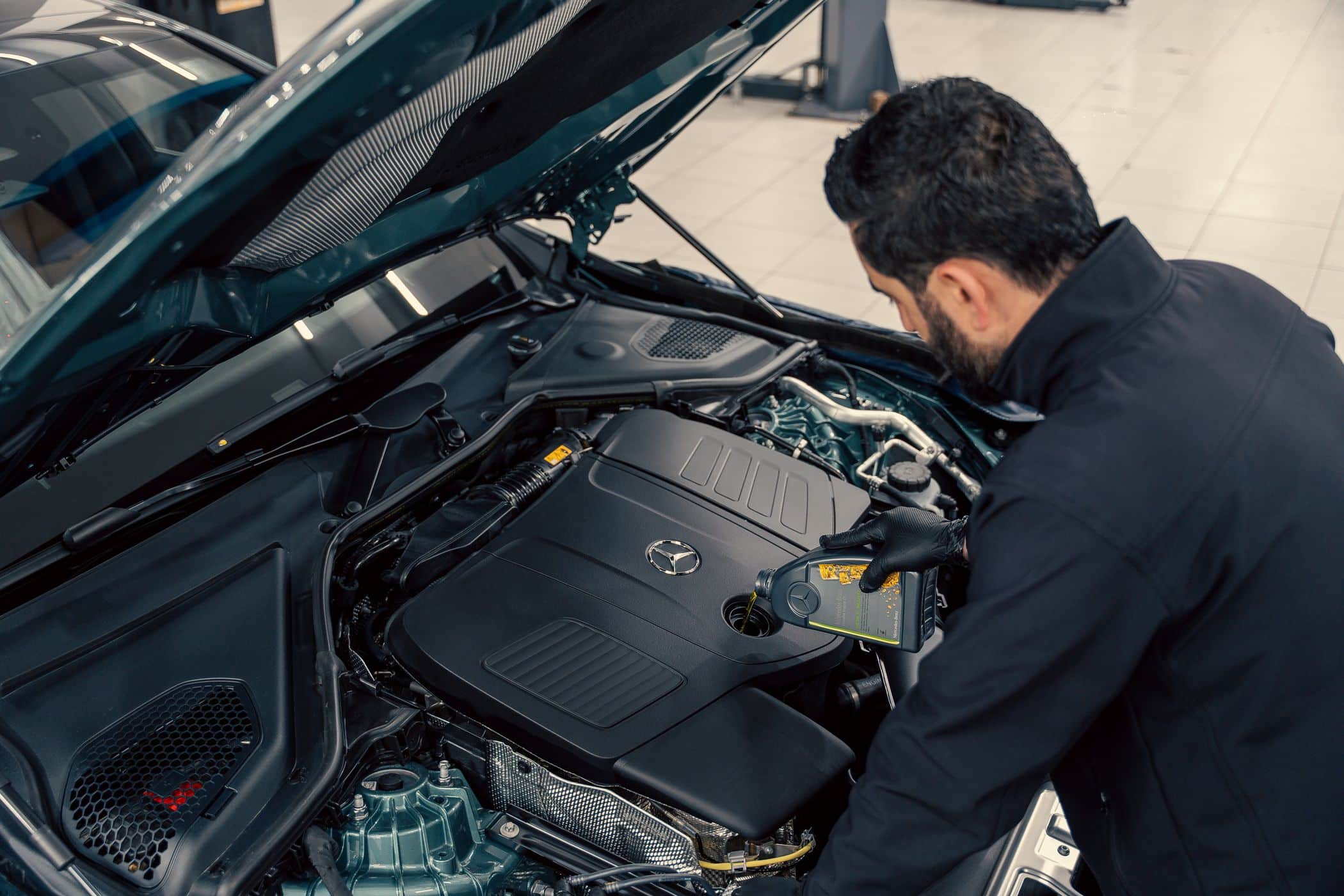
MTTR means Mean Time To Repair, or average repair time. It is a metric that measures how long it takes, on average, for a unit or asset to be repaired and return to operational conditions after a failure. In fleet management, it helps understand the real speed of recovery from corrective interventions, detect delays in workshops or processes, and reduce the impact of failures on availability, costs, and operational continuity.
What does MTTR mean?
MTTR means Mean Time To Repair, which in Spanish is usually translated as average repair time.
It is an indicator that shows how long it takes, on average, for a repair from the moment the failure is detected until the unit returns to operation.
Therefore, MTTR does not focus on how many failures occur, but on how much time it takes to recover from them.
What is MTTR used for in a fleet?
It serves to measure repair efficiency and understand how much impact failures have on availability and productivity.
When a company knows its MTTR, it can detect if repairs are being delayed, if workshop capacity is insufficient, or if processes need improvement.
It also serves to compare performance between providers, vehicles, brands, models, or types of failure.
How is MTTR calculated?
The general logic consists of adding up the total time invested in repairs and dividing it by the number of repairs.
MTTR = total repair time / number of repairs.
The key is to define clearly what span is considered ‘repair’. In some cases it starts when diagnosis begins. In others, when work actually begins on the vehicle.
What is the difference between MTTR and repair lead time?
The main difference is in scope.
MTTR usually focuses on the average time it takes to repair a unit once. Lead time includes waiting time, queuing, and other delays before work begins.
In other words, MTTR focuses on repair. Lead time looks at the entire process from failure to return to operation.
Why is MTTR important for operational availability?
It is important because a slower repair means a unit is out of service longer.
When MTTR increases, the fleet loses response capacity, repair queues grow, and the operation faces pressure to cope with reduced availability.
Therefore, reducing MTTR not only improves maintenance. It also improves operational continuity and reduces costs associated with downtime.
What factors can increase MTTR?
Different factors can push MTTR upward.
Among the most common are delays in diagnosis, lack of spare parts, low productivity of the workshop, or bottlenecks in the repair process.
Complexity of the service can also influence. Not all repairs take the same time. A complex electronic failure may take longer than a simple mechanical one.
Use cases
How VEC Fleet can help
VEC Fleet documentation does not explicitly use the MTTR acronym, but the platform allows following corrective tickets through states like assignment, in-progress, and closure.
The platform allows analyzing how long a repair takes and at what point in the process delays occur.
This provides the operation with the visibility needed to improve repair speed and reduce the impact of failures on availability.
¿Querés ver cómo funciona en tu flota?
Completá el formulario y un especialista te contacta para mostrarte la plataforma sin compromiso.
FAQs
What does MTTR mean?
Mean Time To Repair, or the average time it takes to repair a unit and return it to operational condition after a failure.
What exactly does it measure?
It measures the time from when a failure is detected and repair work begins until the unit returns to operational condition.
Is it the same as repair lead time?
No. MTTR measures repair time. Lead time includes waiting time, queuing, and other delays. MTTR is narrower in scope.
Why is it worth measuring in a fleet?
Because it reveals how efficiently repairs are being done and how much time units spend out of service, directly affecting availability and costs.
How can VEC Fleet address it?
By tracking ticket progression through states and allowing analysis of repair duration, helping identify where delays occur in the repair process.