In the business world, especially in sectors such as logistics, distribution, and transportation, the term vehicle fleet is key. But what does it mean exactly, and how many vehicles are needed to consider a group a fleet? In this article, we answer these essential questions and clarify related concepts such as “flotilla.”
What Is a Vehicle Fleet?
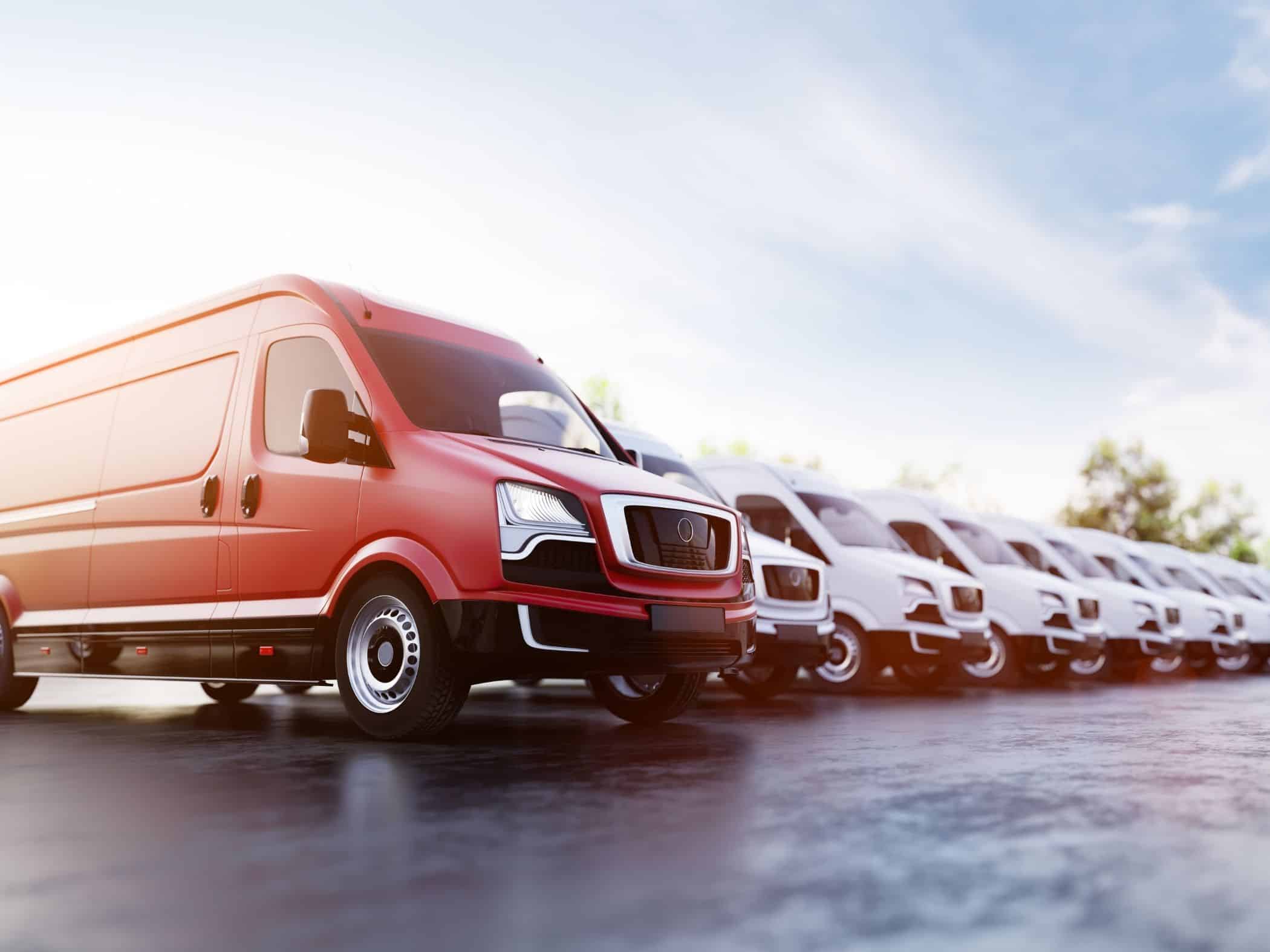
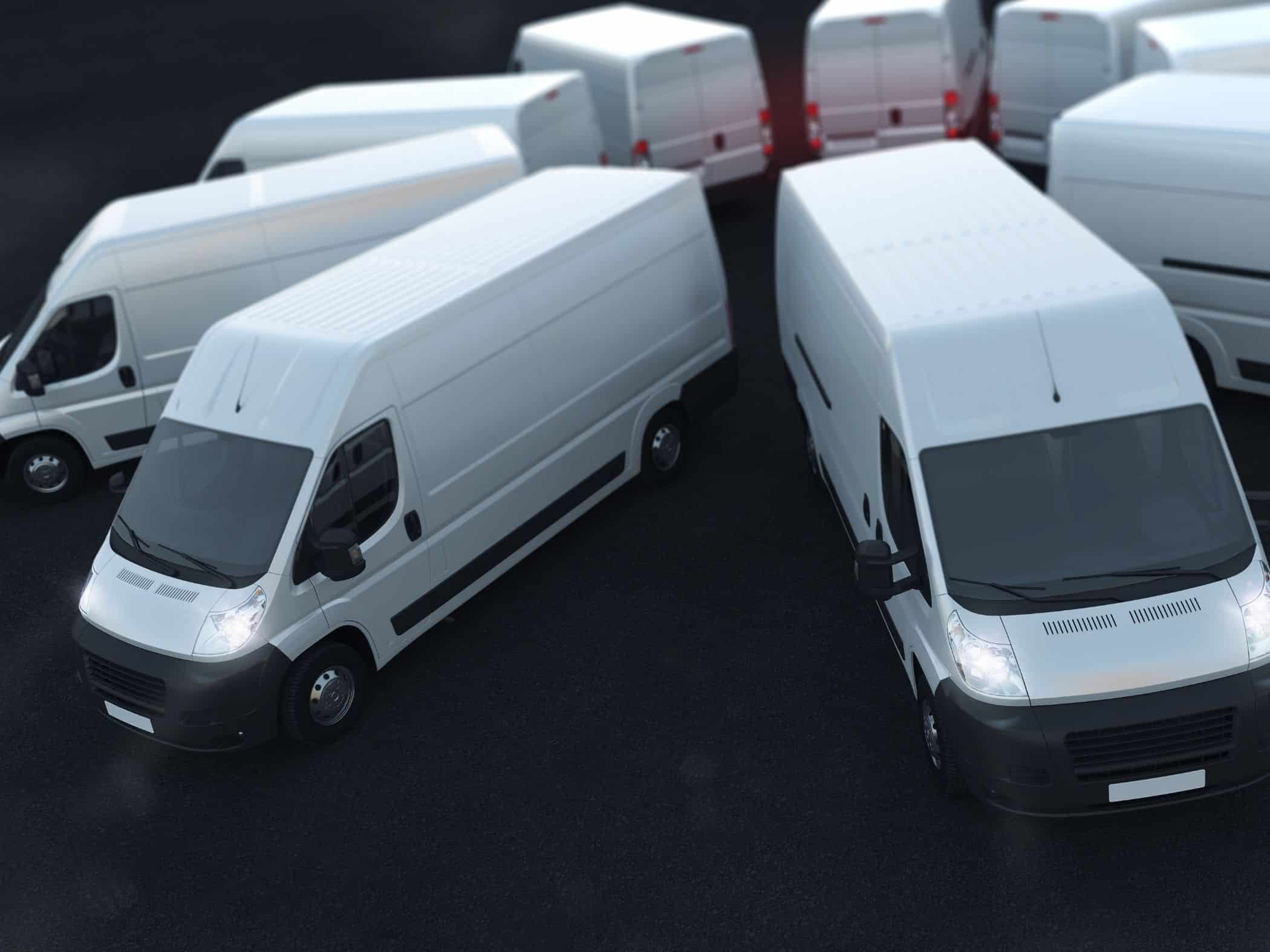
A vehicle fleet is a set of vehicles managed by a single company or organization for operational purposes. These vehicles can be cars, pickup trucks, trucks, or any type of motorized unit used to fulfill logistical, commercial, service, or transportation functions.
For example, a delivery company may have a fleet consisting of 15 motorcycles and 10 vans, all assigned to specific tasks and under centralized management.
The concept of a fleet is not limited to large companies. Small and medium-sized businesses also operate fleets, albeit on a smaller scale.
How Many Vehicles Are Needed to Form a Fleet?
There is no universal number. Generally, a fleet is considered to start from 5 vehicles, although in sectors such as logistics, technical services, or public transport, this figure may vary according to local regulations or the company’s needs. In some contexts, even with 3 units it is already necessary to implement controls, scheduled maintenance, and route monitoring.
Comparison by industries:
Logistics companies: fleets of 10 to 50 units.
Technical or field services: 3 to 20 vehicles.
Urban delivery companies: from 5 motorcycles or motorized bicycles.
The more the vehicle fleet grows, the greater the need for technological tools for its management.
Fleet vs Flotilla: Is There a Difference?
Although in everyday language they are used as synonyms, in some business contexts a distinction is made:
Fleet: generally refers to a broader set of vehicles, with no maximum limit.
Flotilla: sometimes used to refer to a smaller subset or to emphasize the reduced scale of the operation.
In practice, both terms are valid and can be used interchangeably.
Types of Fleets
Vehicle fleets can be classified according to multiple criteria:
By function:
Commercial: deliveries, sales, logistics.
Operational: maintenance, inspections, construction.
Transportation: passengers, school, corporate.
Institutional: government, healthcare, security.
By vehicle type:
Light: cars, pickup trucks, motorcycles.
Heavy: trucks, buses, trailers.
Special: ambulances, patrol cars, cranes.
By fuel type:
Each type requires a specific approach to management, maintenance, and control.
Importance of Knowing Your Fleet Size
Knowing how many vehicles make up your fleet is essential for:
Evaluating operational costs.
Implementing fleet management software.
Meeting legal or tax requirements.
Improving logistics planning.
Controlling maintenance, fuel consumption, and routes.
A well-sized fleet allows you to optimize resources and make decisions based on real data.
Specific benefits by size:
Real Fleet Examples by Size
Example 1: An HVAC company with 8 pickup trucks. Still uses spreadsheets, but growth demands more control.
Example 2: A pharmacy chain with 30 delivery motorcycles. Uses software to optimize routes and reduce delivery times by 20%.
Example 3: A road transport group with 120 units. Adopts an advanced fleet management system, achieving an 18% reduction in fuel spending and a 25% reduction in maintenance costs in one year.
Regulatory and Legal Relevance
Depending on the country, a fleet may be subject to:
Specific registrations with transportation authorities.
Collective insurance requirements.
Environmental certifications.
Compliance with labor regulations for drivers.
A well-registered fleet avoids penalties and improves operational transparency.
This article is part of the fleet regulatory compliance silo and is related to the pillar page: “What is a fleet or vehicle flotilla? Differences, definitions, and key regulations,” which delves deeper into applicable legal and regulatory concepts.
Fleet FAQ
1) What is a vehicle fleet?
A vehicle fleet is the set of vehicles managed by a company or organization for operational, logistical, or service purposes.
2) How many vehicles make up a fleet?
Although there is no fixed number, the usual standard is from 5 vehicles, although in some operations from 3 formal control is already required (maintenance, planning, and monitoring).
3) Do fleet and flotilla mean the same thing?
In practice, they are usually used as synonyms. When distinguished, “flotilla” is used for a smaller group and “fleet” for a larger one.
4) What types of fleets exist?
There are commercial, operational, transportation, and institutional fleets. They are also classified by vehicle type, geographic scope, and fuel type.
5) Why is it important to know your fleet size?
Because it allows you to estimate costs, plan logistics, meet legal requirements, and define the level of control needed over maintenance, fuel, and routes.
Does your fleet already require more control over costs, availability, and compliance?
With VEC Fleet you can centralize management and make data-driven decisions on a single platform.