What is fleet idleness and how does it differ from availability?

Fleet idleness is the time during which a unit that is fit to operate records no activity. Fleet availability is the share of units that are fit to operate: no open maintenance, no expired documents and no impediments that prevent them from going out. They are two different readings of the same fleet, […]
How to measure fleet utilization

Fleet utilization is the share of available time in which vehicles were used to operate. It answers a simple question: out of all the time they could have worked, how much did they work? It is almost always expressed as a percentage and can be calculated per vehicle, per vehicle group, per base or for the whole […]
Why doesn’t an available unit go out to operate?
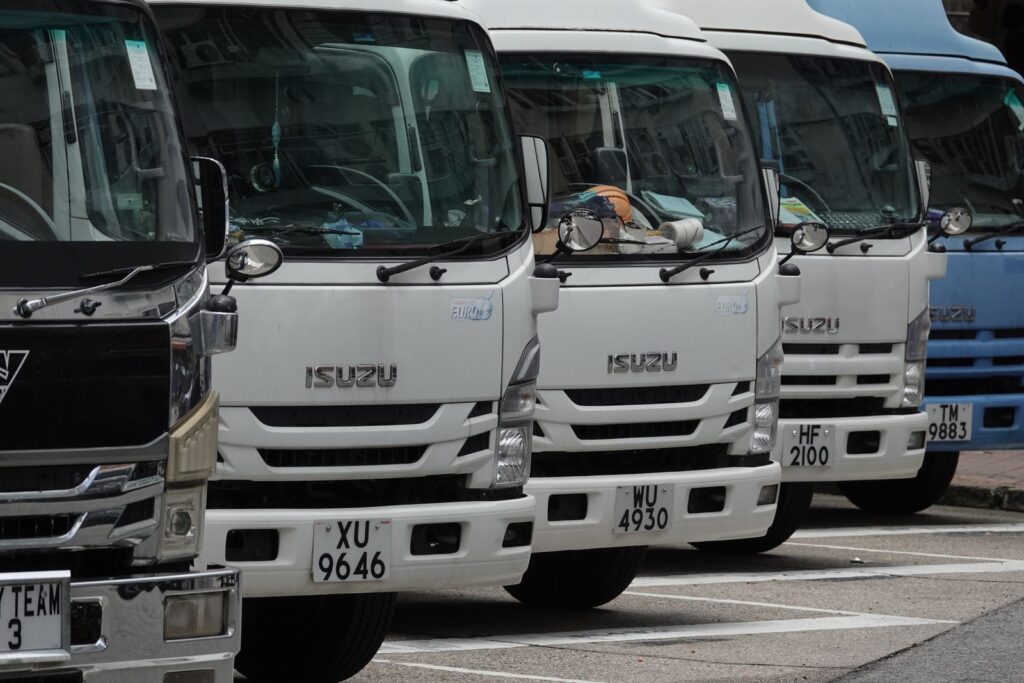
A unit can be in perfect condition, with its documents up to date and no open work order, and still go days without going out. On the maintenance dashboard it shows as available; in the operation, it contributes nothing. That gap between being available and operating is idleness, and understanding it starts with a […]
What data do you need to measure fleet idleness?

Measuring fleet idleness does not require telematics or a GPS in every unit. It takes three things: a daily activity record per unit, each unit’s status and a short list of reasons for days without activity.
How many idle days are too many? How to set the fleet idleness threshold and justify it without red tape

There is no correct number of idle days. What does exist is a clear difference between fleets that have a written threshold and those that do not.
How to improve fleet availability

Fleet availability improves when you reduce the reasons a unit is not fit to operate: delayed maintenance, a work order that drags on at the shop, an expired document or a poorly handled assignment.
How to manage maintenance for a fleet with more than 10 different models

What gets standardized and what doesn’t when your fleet has many different models, and when it makes sense to reduce the variety at replacement time.
Integrating the Fuel module with the fuel provider: what it brings and what it requires

What data the fuel provider integration brings, what needs to be configured beforehand and how it feeds the five fuel load checks.
The 5 questions a fleet manager has to answer with fuel data

The five questions a fleet manager needs to answer with fuel data and which information from the module feeds each one.
Internal traffic fine policy: how to write it

Without a written, communicated policy, every fine is settled at the supervisor’s discretion. What it must define, how it is sustained and in what order it is built.