In the world of logistics and the movement of people or goods, the concept of a “transport fleet” is fundamental. It is not simply about having multiple vehicles, but about managing them with a specific purpose and under clear organizational, operational, and regulatory criteria.
Definition of transport fleet
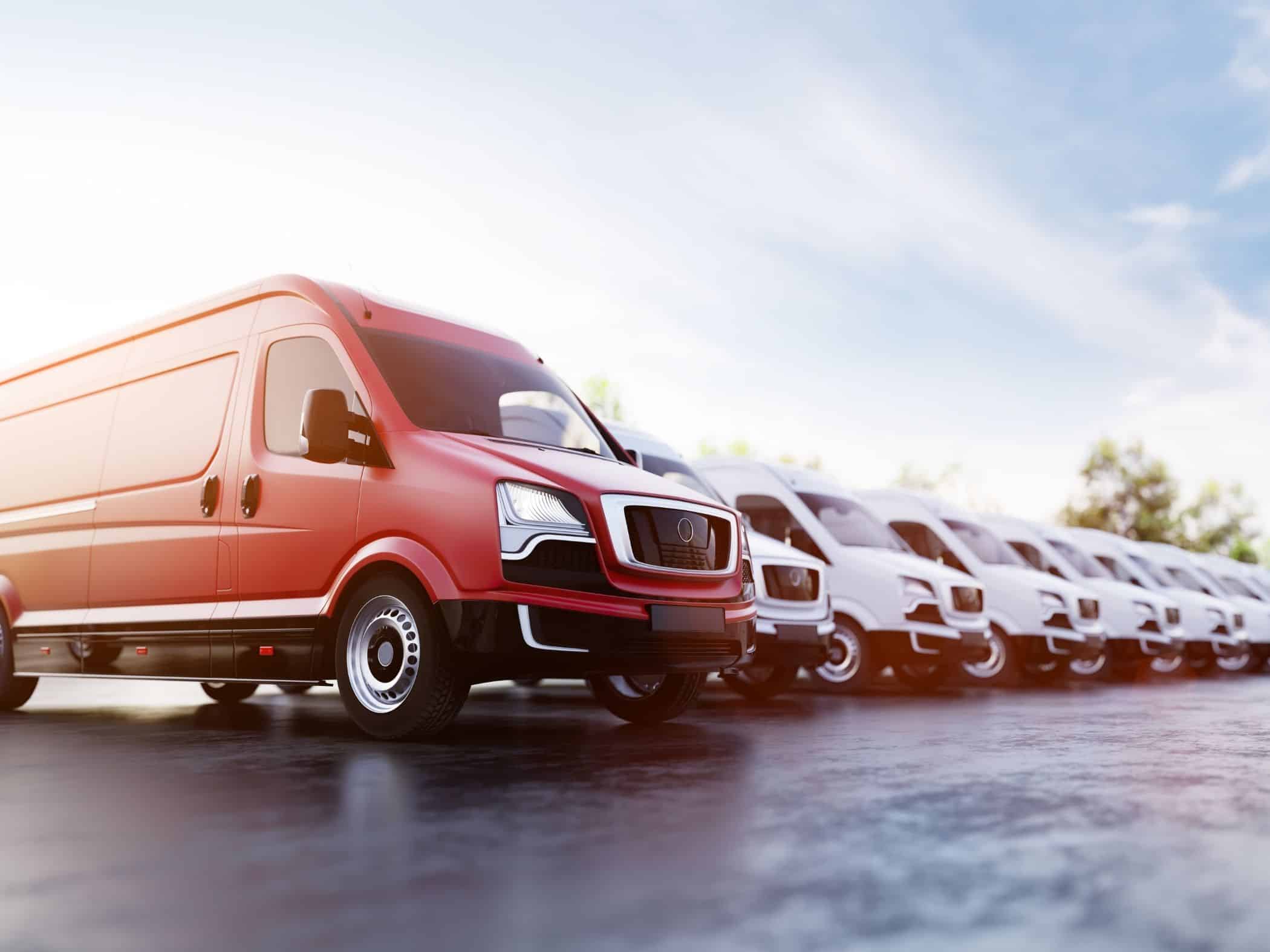
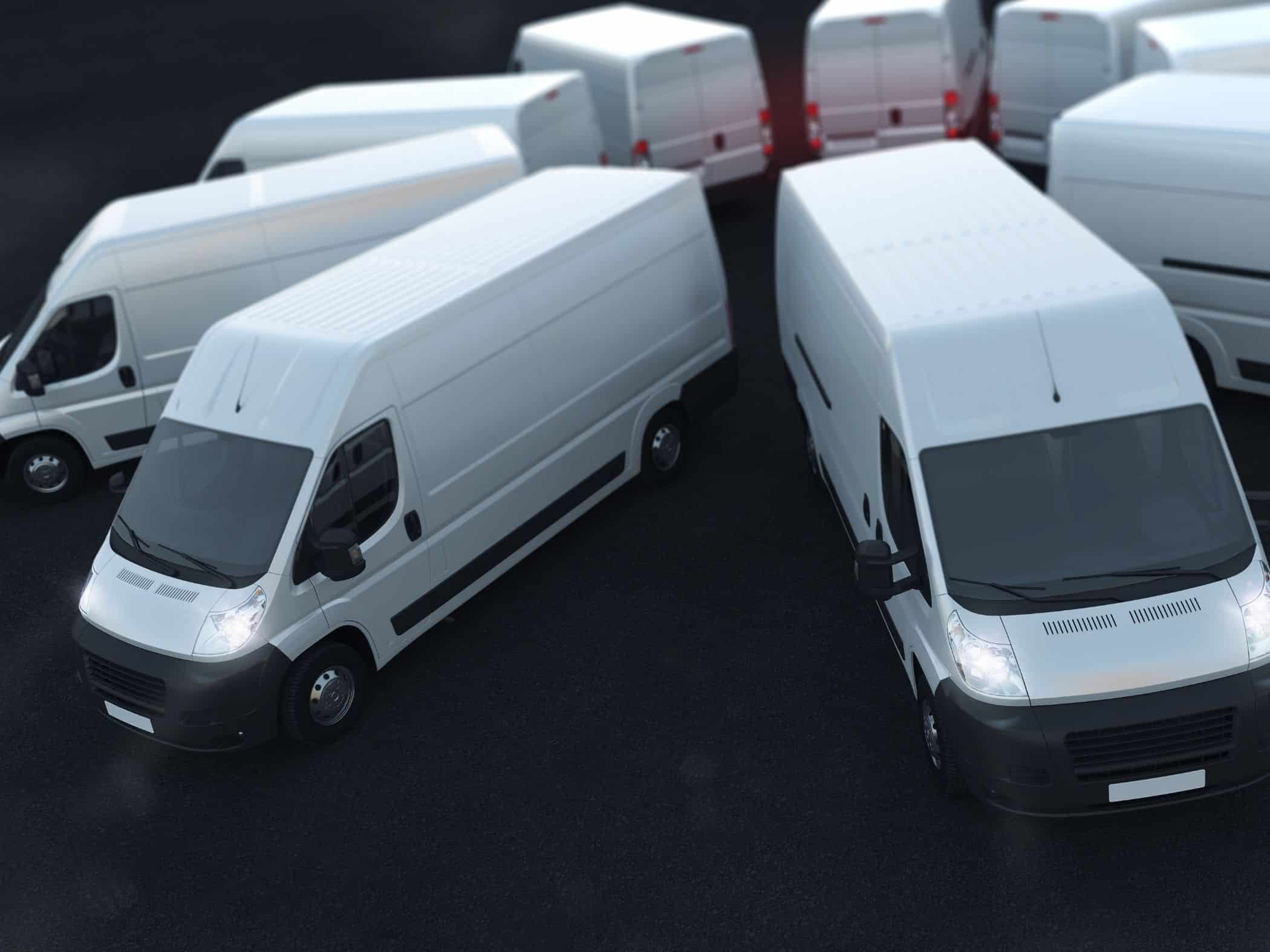
A transport fleet is a set of vehicles managed by a company or institution, specifically intended for the transportation of people or goods. These vehicles can include trucks, vans, buses, minibuses, and more.
Unlike an operational or technical fleet, the main objective of a transport fleet is to move cargo or passengers from one point to another in a continuous, planned, and efficient manner.
Key characteristics
Vehicles adapted for transport: by cargo type (refrigerated, hazardous, bulky) or passenger type (tourism, school, corporate).
Defined routes and schedules: especially in passenger transport or logistics distribution.
Specific regulations: professional licenses, technical inspections, mandatory insurance, among others.
Availability requirements: a stopped unit can mean an undelivered service and a lost customer.
Types of transport fleets
General cargo fleet: trucks and vans for goods without special conditions.
Specialized cargo fleet: refrigerated, tanker, flatbed, hazardous materials.
Urban passenger fleet: public transit buses.
Intercity passenger fleet: medium and long-distance buses.
Corporate transport fleet: vehicles for company personnel, workers, executives.
Last-mile fleet: motorcycles, electric bicycles, vans for urban deliveries.
Difference from other fleet types
Not every vehicle fleet is a transport fleet. The difference lies in the purpose:
Transport fleet: move cargo or passengers.
Corporate fleet: support company staff activities (visits, technical service, management).
Operational fleet: fulfill technical functions (network maintenance, field services).
Each type has different priorities in maintenance, documentation, and management.
Operational challenges of a transport fleet
Meeting delivery times in variable scenarios.
Constant preventive maintenance.
Fuel cost control.
Ongoing regulatory compliance.
Continuous driver training.
Digitization and process automation.
Good management helps reduce delays, avoid accidents, and improve customer experience.
Key technologies for this type of fleet
GPS tracking and real-time monitoring systems.
Route and load planning software.
Preventive and corrective maintenance modules.
Key performance indicators (KPIs) by route, unit, and driver.
These tools enable precise control and data-driven decision-making.
To start with what matters most in a transport fleet, organizing maintenance is usually key: https://vecfleet.io/software-mantenimiento-flotas/
And to keep costs under control as operations grow, fuel is another pillar: https://vecfleet.io/software-control-combustible-flotas/
Essential KPIs in transport fleets
Delivery or service punctuality.
Cost per kilometer or per trip.
Fuel consumption per route.
Fleet availability rate.
Accidents and violations per driver.
Average maintenance time.
Frequently asked questions about transport fleets
1) What is a transport fleet?
It is a set of vehicles organized to move people or goods on a continuous basis, with active management of maintenance, routes, documentation, and costs.
2) What is the difference between a transport fleet and a corporate fleet?
A transport fleet focuses on moving cargo or passengers. A corporate fleet is used by company staff for internal activities (visits, technical service, management).
3) What types of transport fleets exist?
General cargo, specialized cargo, urban passengers, intercity, corporate transport, and last mile.
4) What are the main challenges of a transport fleet?
Meeting delivery times, keeping vehicles in good condition, controlling fuel, ensuring safety, and complying with legal regulations.
5) What should be controlled first to improve efficiency?
Typically maintenance and fuel, because they directly affect availability, safety, and total operating cost.
Is your transport fleet growing and you need more control over availability, costs, and compliance?
With VEC Fleet you can centralize management and make data-driven decisions.