The term “vehicle fleet” is widely used in sectors such as logistics, transportation, technical services, and business operations. Although it may seem obvious, understanding its exact meaning is essential for making strategic decisions in vehicle and resource management.
Definition of vehicle fleet
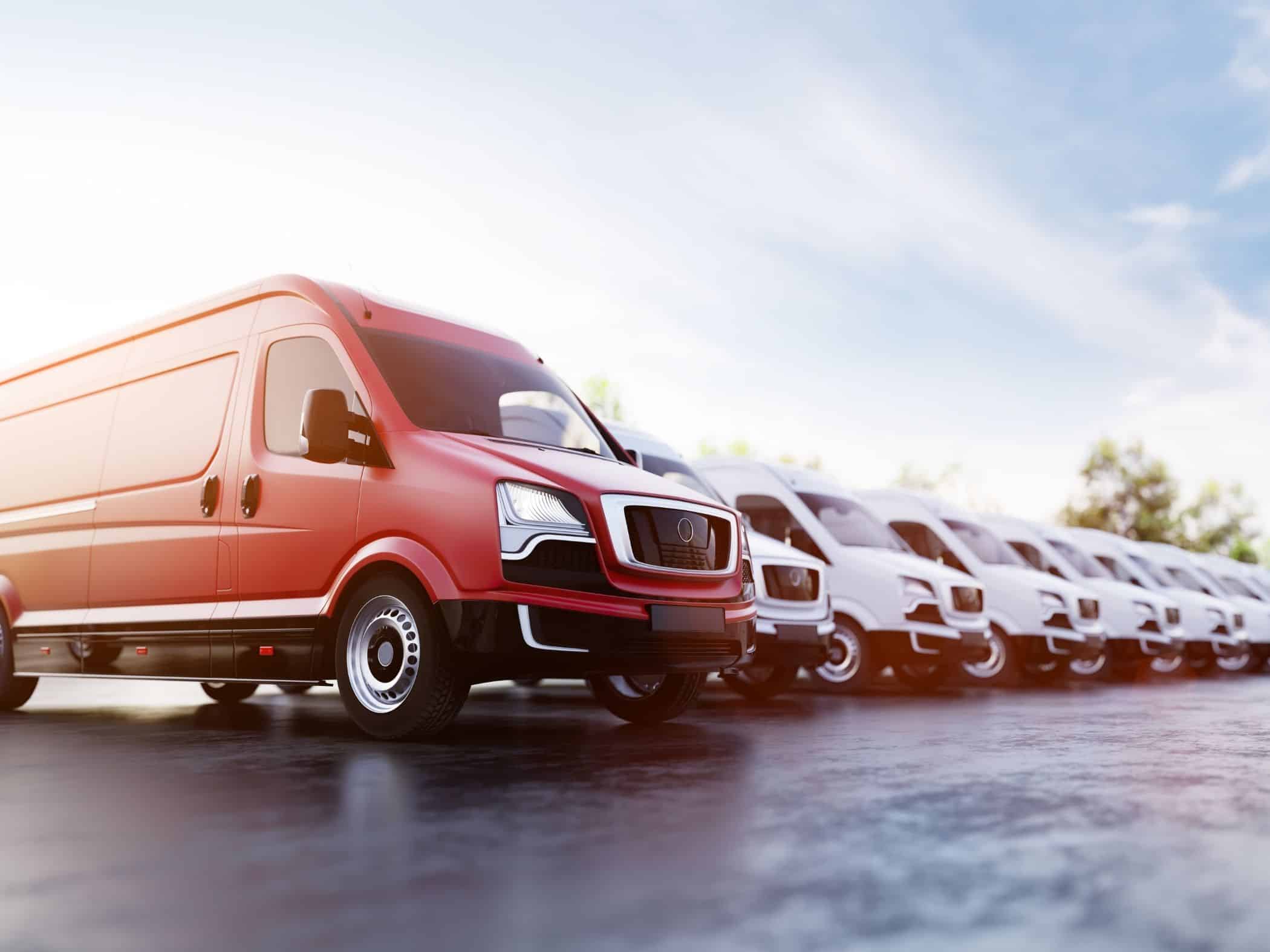
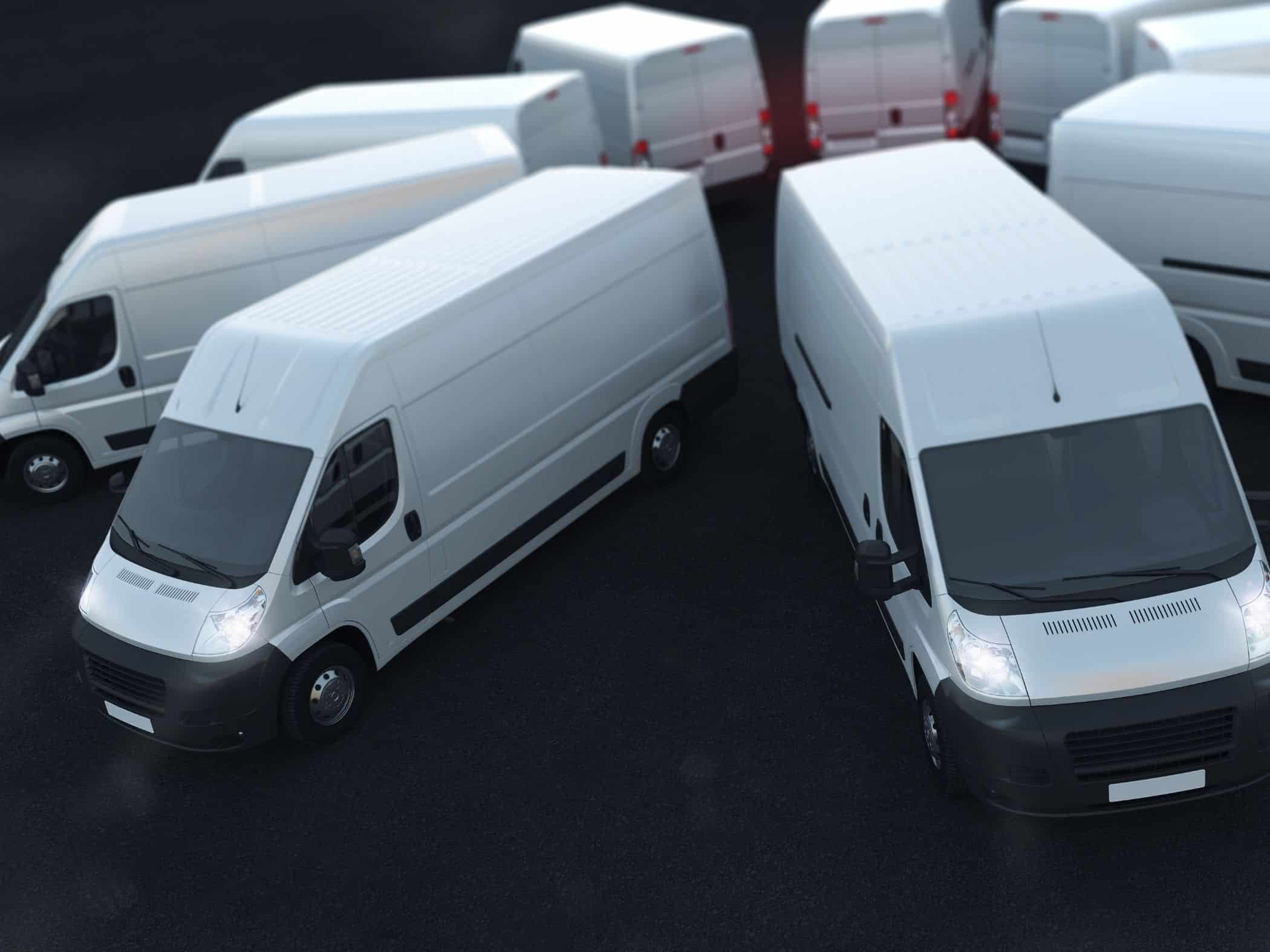
A vehicle fleet is the set of vehicles that a company or institution owns, leases, or manages for the fulfillment of logistics, operational, administrative, or transportation activities. This grouping of units is organized under common management, with the goal of optimizing their use, maintenance, and performance.
The fleet can include:
Private cars used by technical or sales staff.
Pickup trucks, vans, motorcycles, or trucks for logistics.
Specialized vehicles (refrigerated, armored, electric).
It is not limited to one type of vehicle or a specific sector. Any organization that manages vehicles in a coordinated manner operates a vehicle fleet.
Characteristics of a vehicle fleet
Centralized ownership or management: the vehicles belong to or are under the responsibility of a single entity.
Defined operational purpose: they fulfill transportation, logistics, technical service, or other functions.
Unified management: maintenance, costs, documentation, and usage are coordinated under common criteria.
Types of vehicle fleets
Cargo transport fleets: trucks, vans, and vehicles for moving goods.
Passenger transport fleets: buses, vans, service cars.
Corporate fleets: vehicles used by sales, technical, or executive teams.
Public service fleets: ambulances, patrol cars, municipal vehicles.
Mixed fleets: combination of two or more of the above types.
At what size is it considered a fleet?
There is no exact number. The definition does not depend on the quantity of vehicles, but on how they are managed. With just 3 or 4 units, if there is cost control, maintenance, and usage tracking, it can already be called fleet management.
What defines a fleet is the existence of a common management structure, not the quantity.
Difference between vehicle fleet and vehicle stock
Although they are used as synonyms, there is a conceptual difference:
Vehicle fleet: group of vehicles with active, coordinated management.
Vehicle stock (fleet park): the totality of vehicles existing in a region or country.
The fleet is always managed. The vehicle stock is a statistic.
Importance of managing a vehicle fleet
When a company does not actively manage its fleet, costs become scattered, risks increase, and optimization opportunities are lost. Structured management enables:
Reducing operational costs.
Extending vehicle lifespan.
Improving driver safety.
Complying with legal regulations.
Making decisions based on indicators.
Technologies that support fleet management
Today there are specific tools to facilitate vehicle fleet management:
GPS tracking systems.
Scheduled maintenance software.
Fuel loading platforms and alerts.
Key indicator dashboards.
These technologies help automate processes, detect inefficiencies, and make data-driven decisions.
To organize two critical areas from the start, you can learn more here:
Contexts for using the concept “vehicle fleet”
Insurance: contracting a collective fleet policy.
Logistics: sizing delivery capacity.
Compliance: verifying current vehicle documentation.
Accounting: controlling depreciation and total cost of ownership (TCO).
Operations: assigning and redistributing vehicles based on demand.
Frequently asked questions about vehicle fleets
1) How many vehicles does it take to be considered a fleet?
There is no fixed number. Two or three vehicles can already be a fleet if they are managed in a coordinated manner. What matters is the existence of common management.
2) What is the difference between a vehicle fleet and a vehicle stock?
A fleet is a group of vehicles actively managed by an organization. Vehicle stock refers to the total number of vehicles registered in a country or region.
3) What does vehicle fleet management include?
Maintenance, fuel, documentation, insurance, vehicle assignment, driver monitoring, and operational cost analysis.
4) Does a fleet need to be owned?
No. It includes leased, rented, or loaned vehicles, as long as they are under coordinated management.
5) What technology helps manage a vehicle fleet?
Platforms like VEC Fleet allow centralizing maintenance, fuel, documentation, and KPIs in one place, with automatic alerts and reports.