Keeping vehicle documentation up to date is essential to avoid fines, operational blocks, and legal risks for companies managing fleets. This checklist covers all mandatory and recommended documents for legal circulation, from insurance to permits and internal records. It also includes best practices and tools to automate the process.
Keeping vehicle documentation up to date prevents fines, operational blocks, and legal risks in fleets.
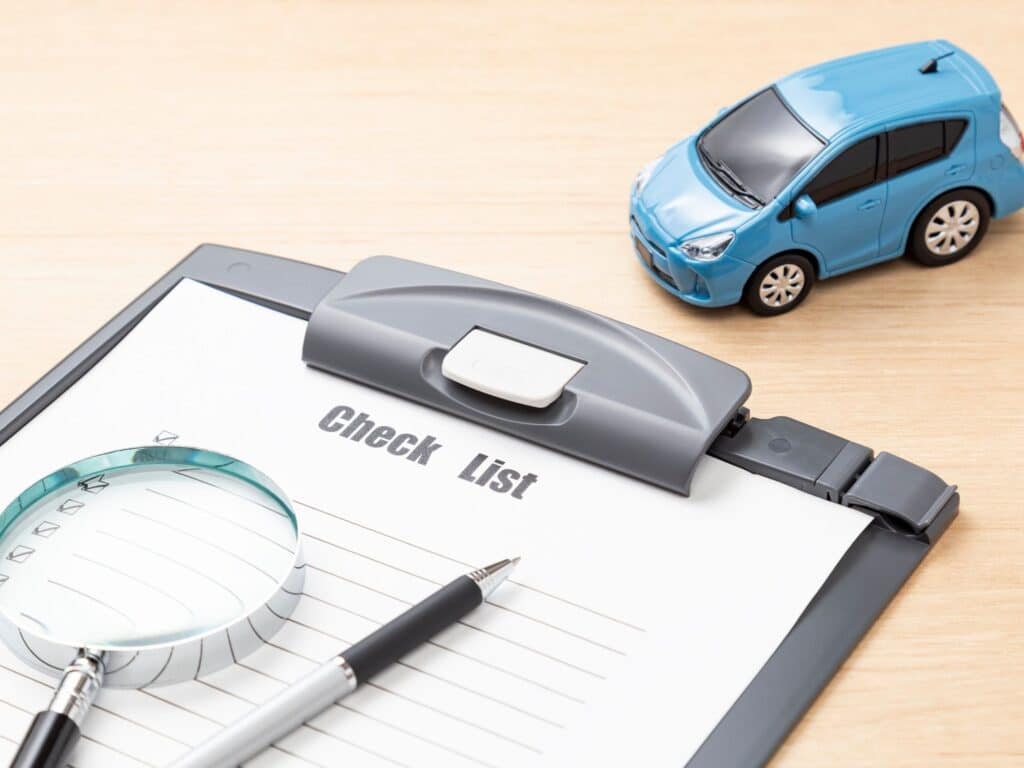
A checklist helps standardize processes, reduce oversights, delegate better, and facilitate audits/renewals.
The per-vehicle basics include: title/ownership, registration/circulation license, driver’s license, technical inspection, insurance, special permits (if applicable), and tax documentation.
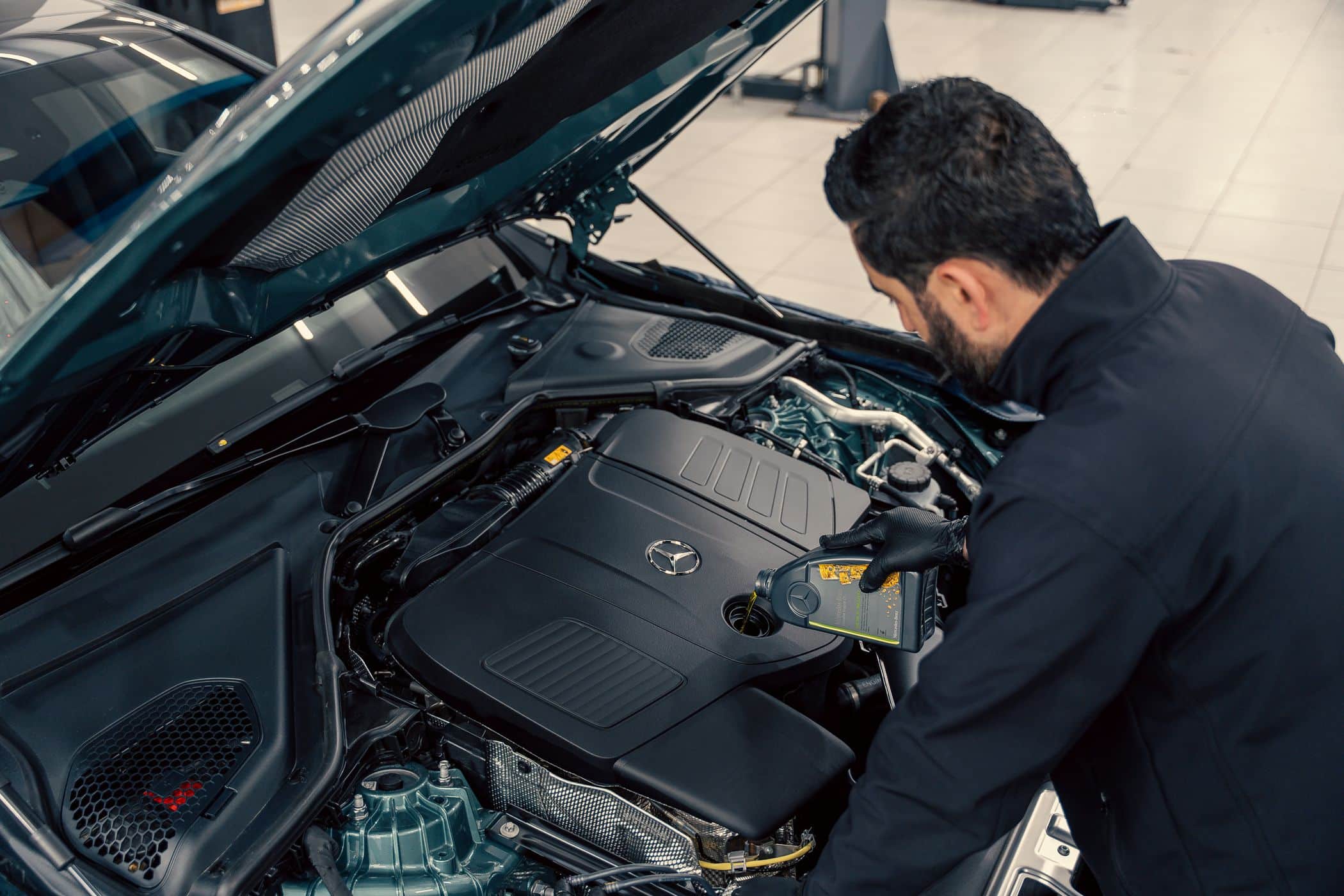
Complementary documents: maintenance records, full insurance policy, official vehicle list, and incident/accident protocol.
Tools like VEC Fleet centralize everything, alert on expirations, and eliminate scattered spreadsheets.
Fleet management involves multiple operational tasks. But if a vehicle’s documentation is not in order, everything stops: it cannot circulate, it can be seized, deliveries are lost, or legal sanctions may be imposed on the company.
A checklist enables:
This section covers the documents that must be current for each unit to circulate legally. While there may be minor variations by country or region, this guide applies broadly at the regional level.
Beyond mandatory documents, there are records that facilitate management and reduce risks:
DocumentReview FrequencyMandatory InsuranceMonthly / before expirationDriver’s LicenseQuarterlyTechnical InspectionMonthly (to check expirations)Special PermitQuarterlyTax DocumentationBi-monthlyMaintenance RecordEach service performedOfficial Vehicle ListMonthly / when changes occur
A platform like VEC Fleet enables:
This prevents scattered spreadsheets, manual reminders, or information losses that can be very costly.
A logistics company with over 120 vehicles implemented a digital checklist with automatic alerts. Within six months, it reduced fines for expired documentation by 40% and eliminated vehicle seizures due to missing insurance or technical inspections.
The key was not “more human control” but automating the process and making it visible to all involved areas.
What documents must be inside the vehicle?
At minimum: vehicle title, registration, driver’s license, current technical inspection, and proof of mandatory insurance.
How often should I review fleet documentation?
Ideally on a continuous basis with automatic alerts. At minimum, a complete monthly review.
Is it possible to automate documentation control?
Yes. Platforms like VEC Fleet allow uploading documents, setting expirations, receiving alerts, and viewing the status of the entire fleet in real time.
Property registration, valid insurance policy, technical-mechanical inspection, circulation permits, updated driver's licenses, and mandatory insurance.
Technical inspection annually, insurance annually, driver's licenses every 5-10 years depending on jurisdiction. Check for regulatory changes periodically.
Immediate fines, vehicle seizure, civil liability for accidents, and administrative sanctions. The company is jointly liable.
Use fleet management software that alerts about expirations, maintains a centralized digital registry, and generates regulatory compliance reports.
Varies by country, but typically fines of $500-$5,000, vehicle retention, negative records for commercial licenses, and civil liability.