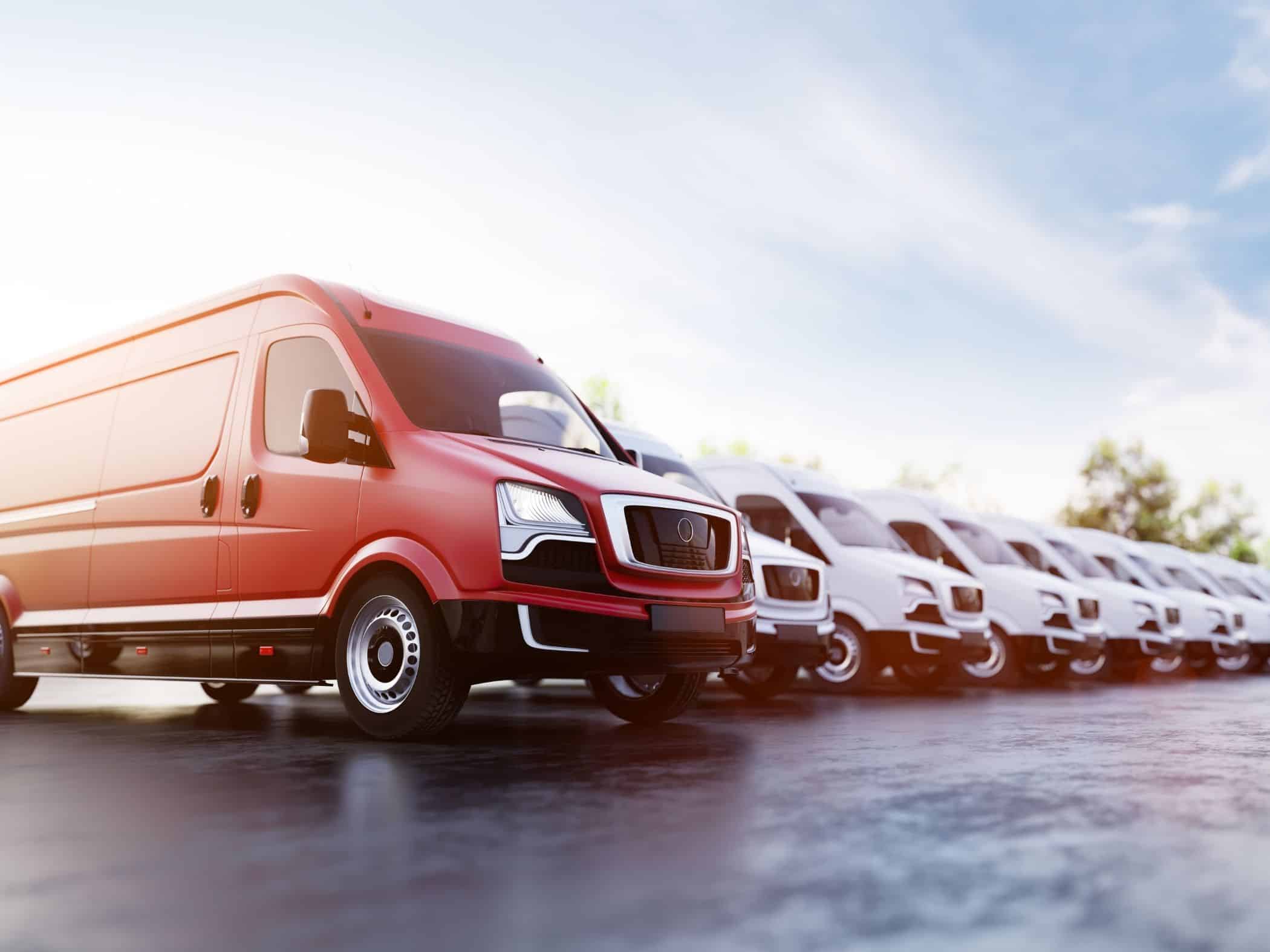
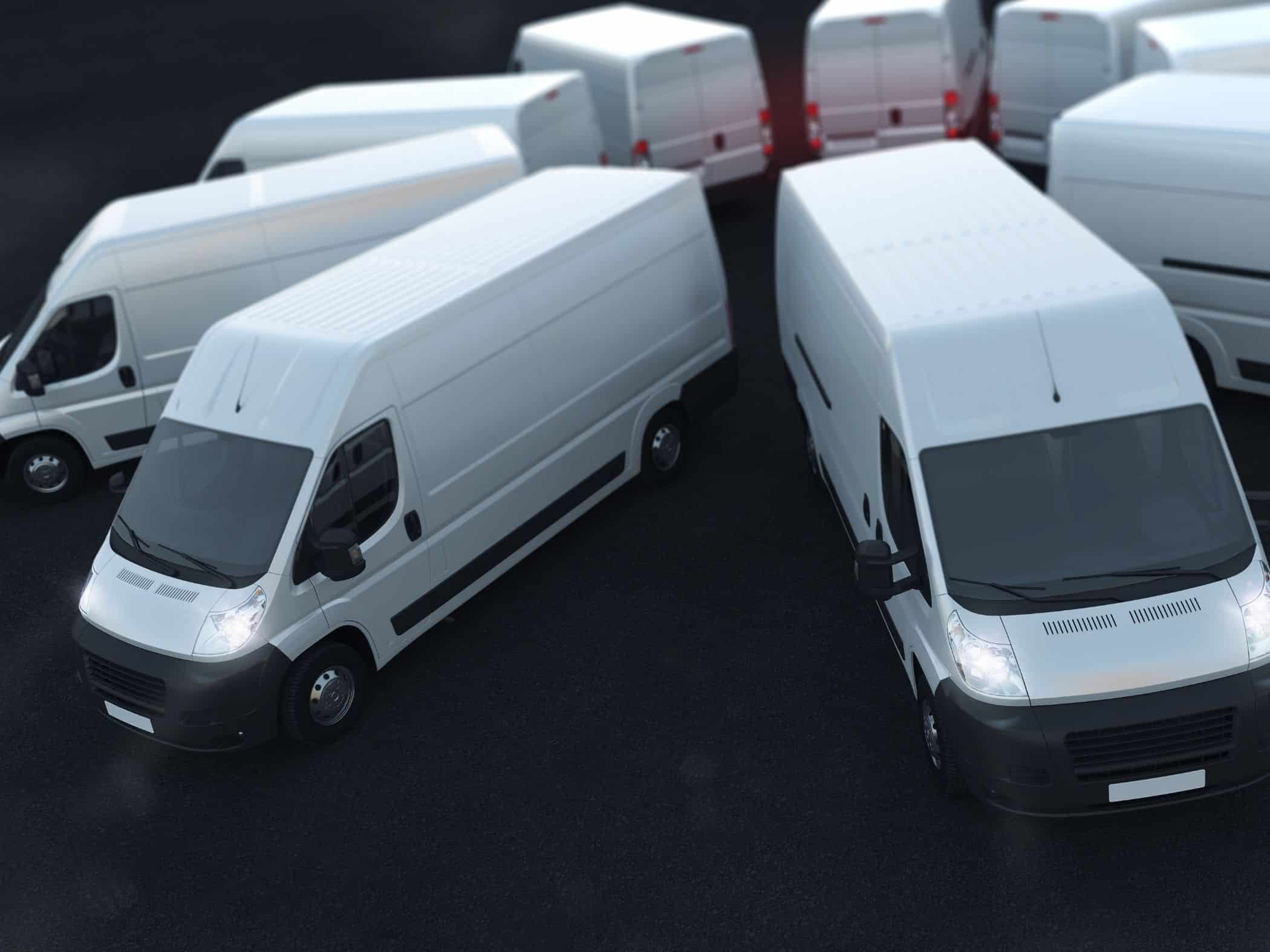
In the transportation, logistics, and vehicle services sector, the term “flotilla” (small fleet) is frequently used. Although it may seem intuitive, its meaning can vary depending on the context, country, and industry. Understanding what exactly a flotilla entails in this field is key for companies operating with organized vehicles, especially in early growth stages.
General definition of flotilla
A flotilla in transportation refers to a small group of vehicles that operate in a coordinated manner under the same management, usually to fulfill logistics, distribution, or service tasks within a defined geographic area.
Unlike a fleet — which can include hundreds of units and complex structures — a flotilla is characterized by:
Fewer vehicles (usually between 3 and 10).
Operations concentrated in one area or type of service.
Simpler management with fewer administrative layers.
Difference between flotilla and fleet
Although used as synonyms in some contexts, there are important differences:
Flotilla: small group, simplified management, generally local.
Fleet: larger group, structured management, can span multiple regions or vehicle types.
The flotilla is often the starting point. As operations expand, it naturally evolves into a fleet.
Common uses of the term flotilla
Urban distribution: last-mile deliveries with vans or motorcycles.
Technical service: field vehicles for maintenance or installations.
Personnel transport: moving teams within a plant or region.
Internal logistics: moving materials between offices, warehouses, or operational points.
Examples by sector
E-commerce: flotilla of motorcycles and vans for deliveries in a metropolitan area.
Telecommunications: flotilla of pickup trucks for network installation and maintenance.
Healthcare: flotilla of ambulances for regional coverage.
Construction: flotilla of trucks for transporting materials between job sites.
Advantages of operating with a flotilla
Low administrative cost: does not require a large management structure.
Simple coordination: ideal for specific geographic areas.
Scalability: simpler transition to a fleet as demand grows.
Flotilla management in urban environments
In large cities, flotillas play a strategic role: distribution in restricted traffic zones, optimized routes to reduce environmental impact, and fast deliveries for e-commerce and home services.
Evolution into a full fleet
As a company grows, a flotilla can transform into a structured fleet: more units are added, routes and complexity increase, and tools like management software, GPS, and operational KPIs become necessary.
At that point, it is usually advisable to organize two areas that most impact cost and availability:
Frequently asked questions about flotillas in transportation
1) What is a flotilla in transportation?
It is a small group of vehicles (usually between 3 and 10) that operate in a coordinated manner to fulfill logistics or service tasks in a defined area.
2) What is the difference between a flotilla and a fleet?
A flotilla is smaller with simpler management. A fleet is larger, with a more complex control structure and usually greater geographic reach.
3) When does a flotilla become a fleet?
When units, routes, operational complexity, and the need for more advanced management tools increase.
4) What tools are useful for managing a flotilla?
From basic spreadsheets to platforms like VEC Fleet, depending on the level of control needed.
5) Does a flotilla need management software?
It depends on the level of control you seek. Even with few units, a platform can help reduce costs and prevent problems before they happen.